Wall Panel Design Ideas for a Modern Stylish Home
Plain walls often feel cold and unfinished. They lack the character needed to make a house feel like a home. Strategic wall panel design changes that instantly. It adds depth, texture, and a sophisticated layer to any room.
Modern interiors rely on more than just paint or wallpaper. Designers now use panels to create focal points that capture attention. These structures turn flat surfaces into three-dimensional art. You can achieve a high-end look without a full renovation.
Whether you prefer natural textures or sleek finishes, there is a style for you. This guide explores the best ways to use panels to refresh your space. Let’s dive into the world of creative wall treatments.
Why Wall Panel Design is Trending
Homeowners are moving away from flat, boring surfaces. A wall panel design offers a premium feel that paint alone cannot match. It serves as a stylish upgrade that bridges the gap between architecture and decor.
One major reason for this trend is texture. Physical depth creates shadows and highlights that make a room feel alive. It hides wall imperfections while adding significant resale value to your property.
These designs also provide practical benefits. Many panels offer soundproofing and insulation properties. They create a cozy environment that feels private and shielded from outside noise.
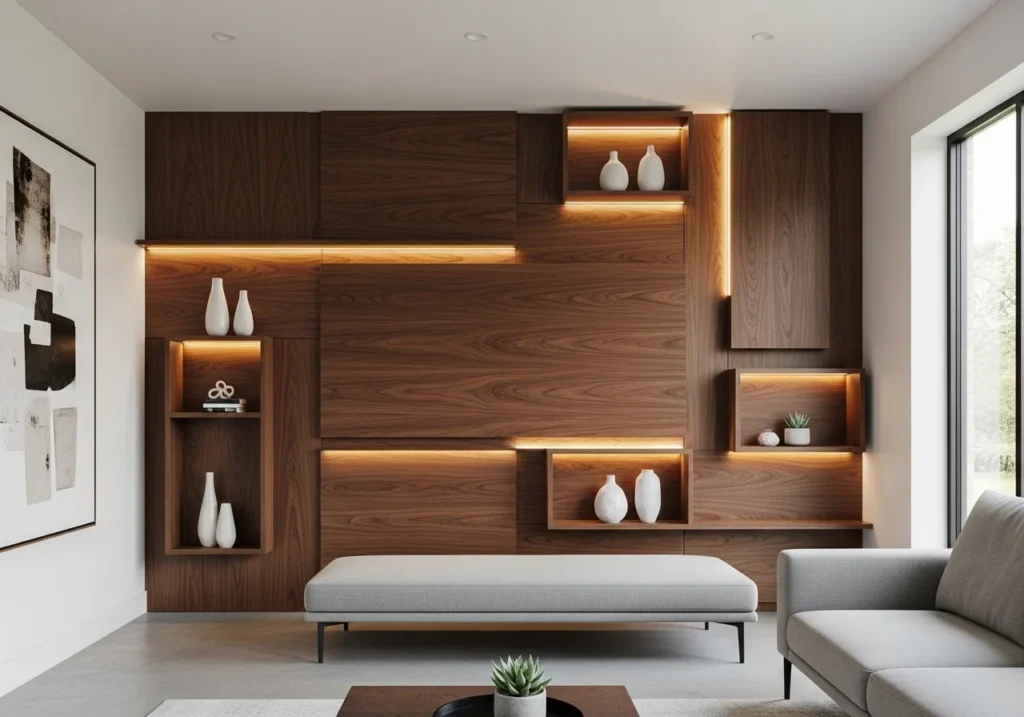
Versatility makes them a top choice for modern interiors. From mid-century wood slats to futuristic 3D patterns, panels fit every aesthetic. They allow for personal expression in every corner of the home.
Modern Wall Panel Design for Living Room
The living room is the heart of your home. It deserves a modern wall panel design that reflects your taste. A well-placed panel setup can define the entire mood of the seating area.
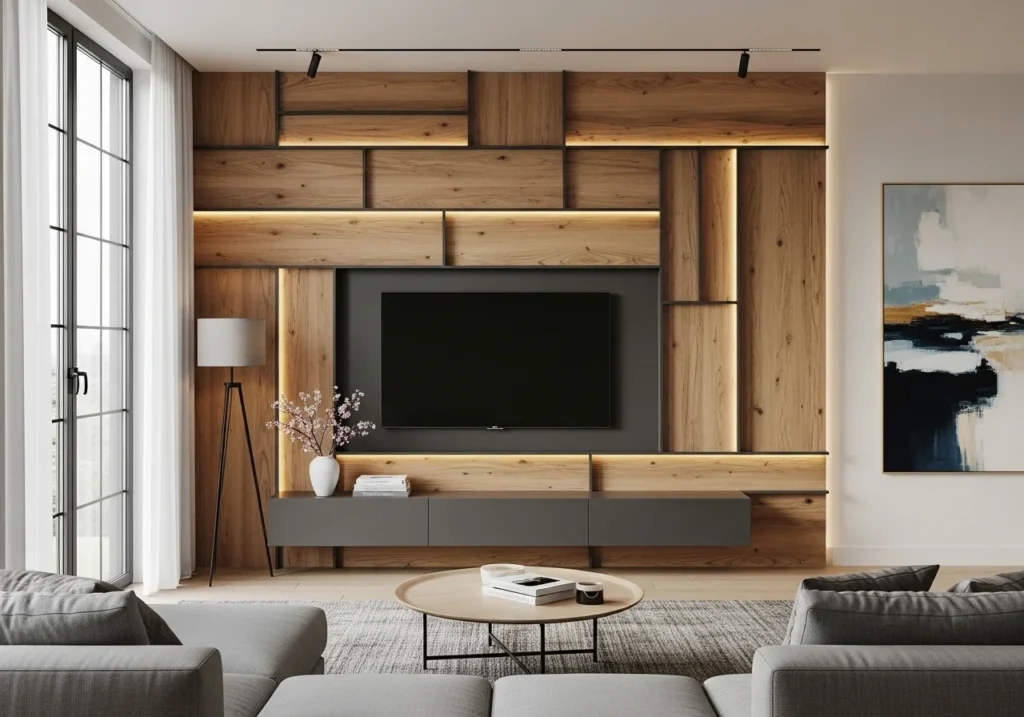
TV Wall Panel Ideas
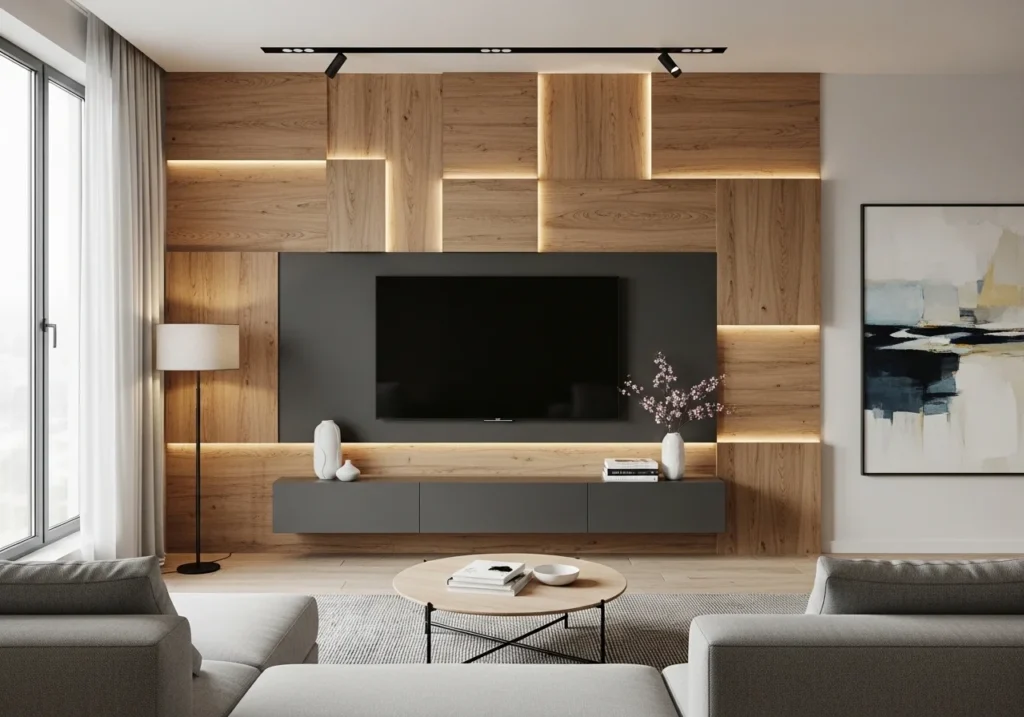
Mounting your television on a dedicated panel is a game-changer. It hides messy cables and creates a theater-like atmosphere. Use dark charcoal or slate tones to make the screen blend in seamlessly.
Geometric Panels
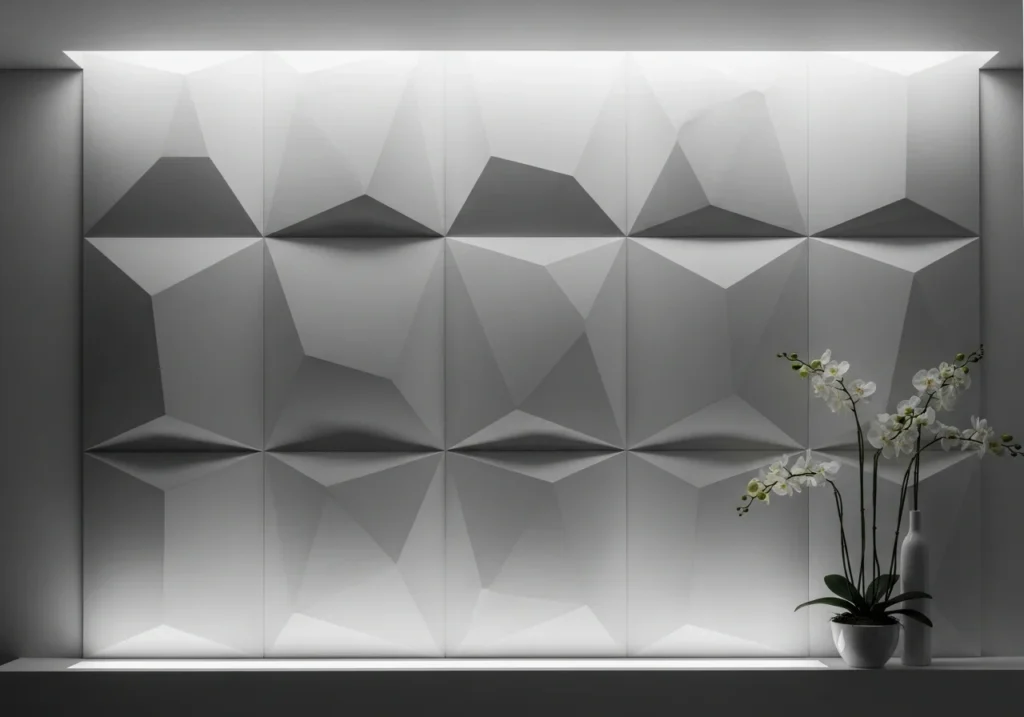
Linear patterns and hexagonal shapes add a playful energy. These work well behind a sofa to create a “feature wall.” Keep the colors neutral to let the shapes do the talking.
Neutral Luxury Styles
Cream, beige, and soft grey panels provide a quiet elegance. They make a small living room feel spacious and bright. Incorporate thin brass strips between panels for a touch of luxury wall panel design.
Statement Feature Walls
Choose one wall to be the star of the show. Large-scale panels with bold textures create a “wow” factor. This technique works best on the largest wall in the room to avoid a cluttered look.
Bedroom Wall Panel Design Ideas
Your bedroom should be a sanctuary of calm. Using a bedroom wall panel design adds softness and warmth to your sleeping space. It grounds the room and makes the bed feel like a grand centerpiece.
Headboard Wall Panels
Extend your headboard all the way to the ceiling. This vertical line draws the eye upward, making the ceiling feel higher. Use fabric-wrapped panels for a soft, tactile experience.
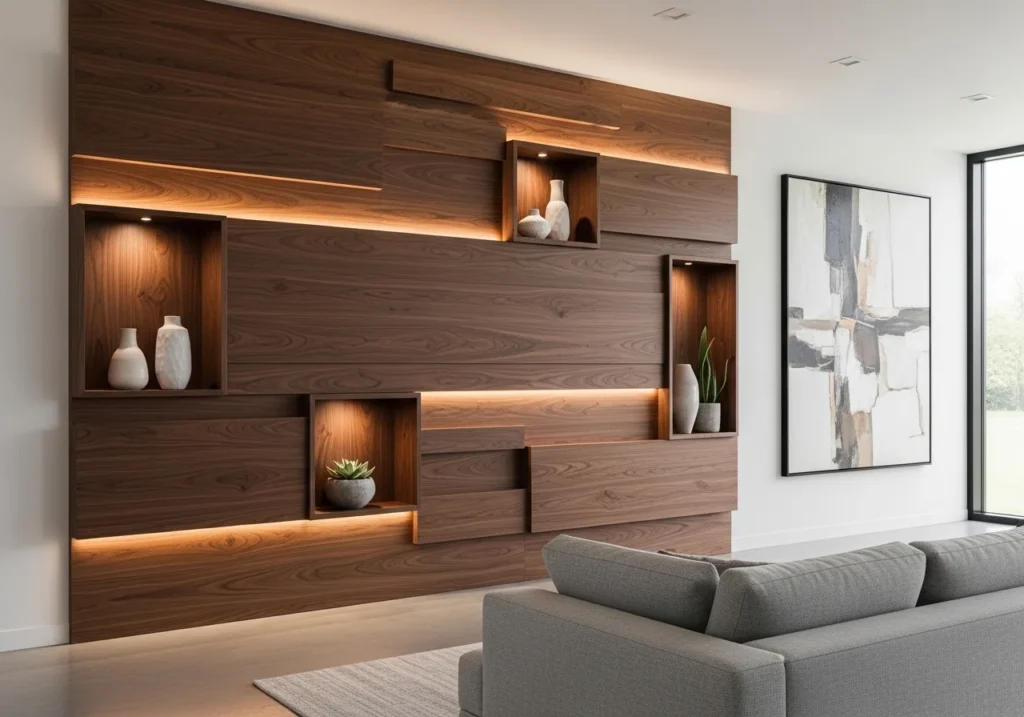
Soft Elegant Panels
Velvet or linen panels provide excellent sound absorption. They create a quiet, muffled environment perfect for rest. Choose deep blues or forest greens for a moody, sophisticated vibe.
Cozy Modern Layouts
Asymmetrical paneling adds a contemporary twist. Place panels on just one side of the bed to create visual interest. Balance the look with a tall floor lamp or a hanging pendant light.
Minimal Panel Accents
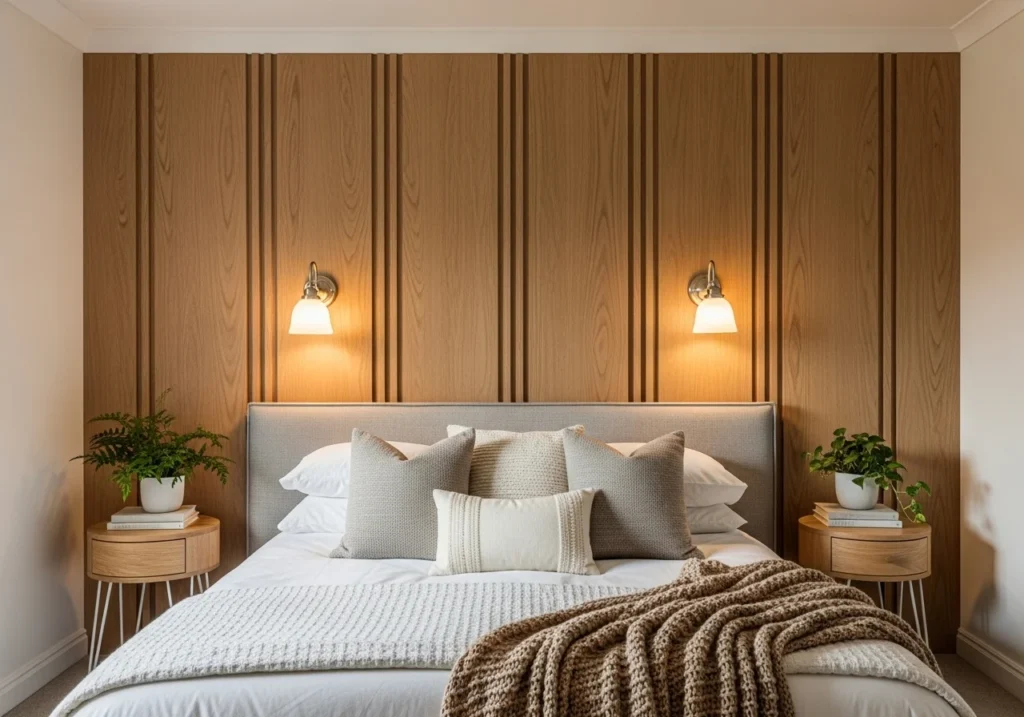
Sometimes less is more. Thin molding or slim vertical slats create a subtle texture. This approach works perfectly for those who love Scandinavian or Japanese minimalism.
Wood Wall Panel Design for Warm Interiors
Wood brings a piece of nature indoors. A wood wall panel design is timeless and never goes out of style. It adds an organic warmth that makes any room feel instantly inviting.
Natural Wood Textures
Oak, walnut, and teak offer beautiful grain patterns. These natural variations ensure that your wall is unique. Use clear stains to highlight the wood’s inherent beauty.
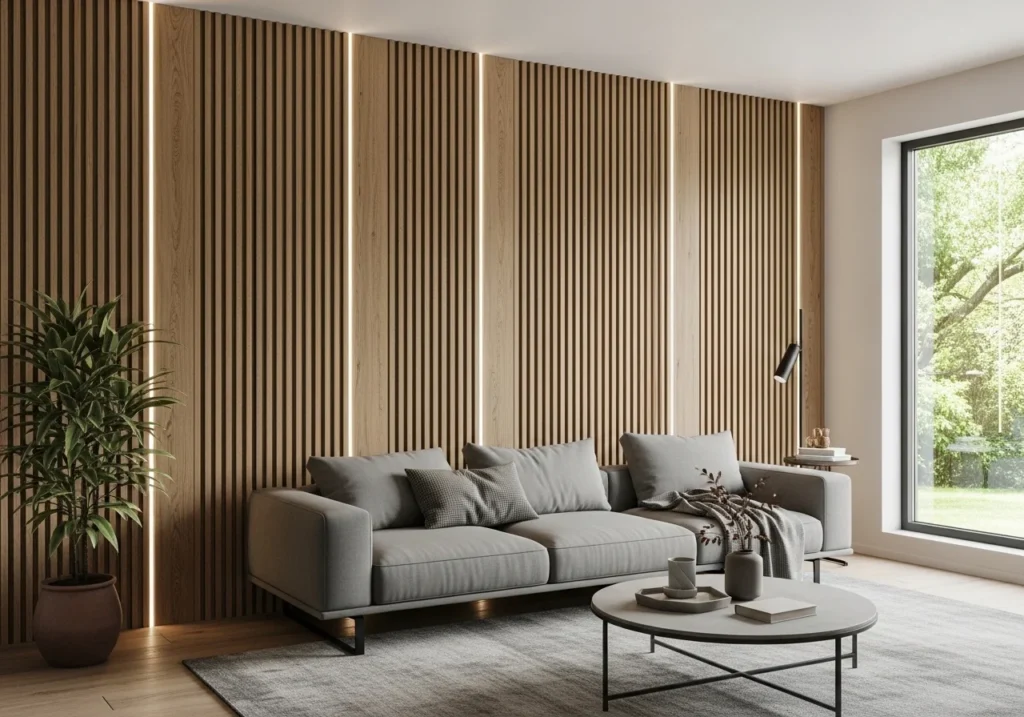
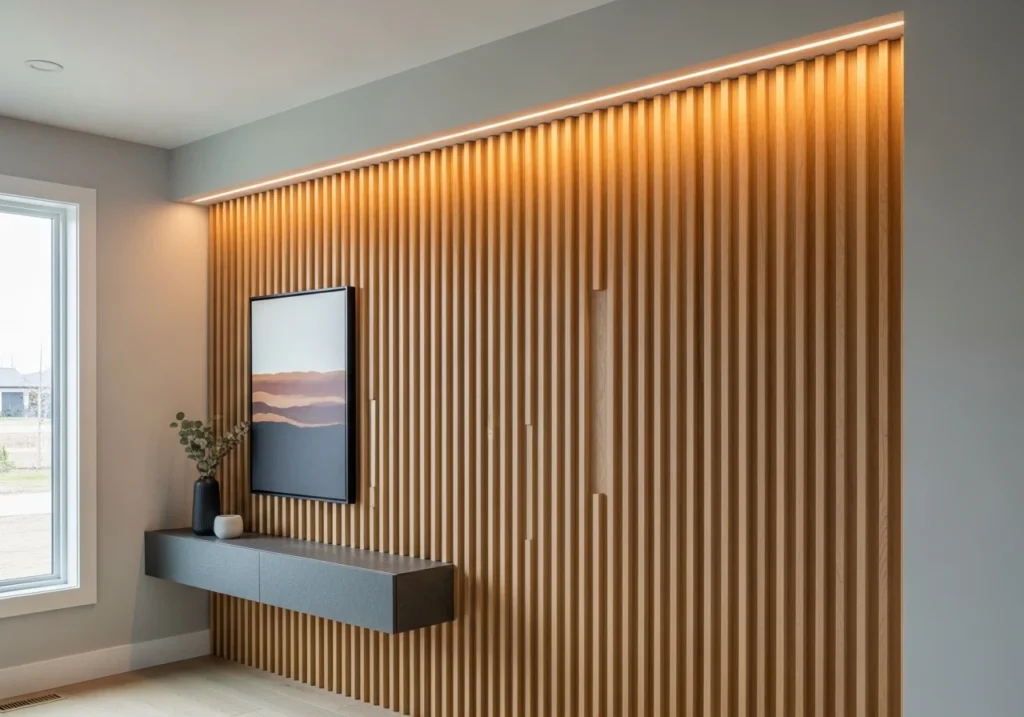
Slatted Wood Panels
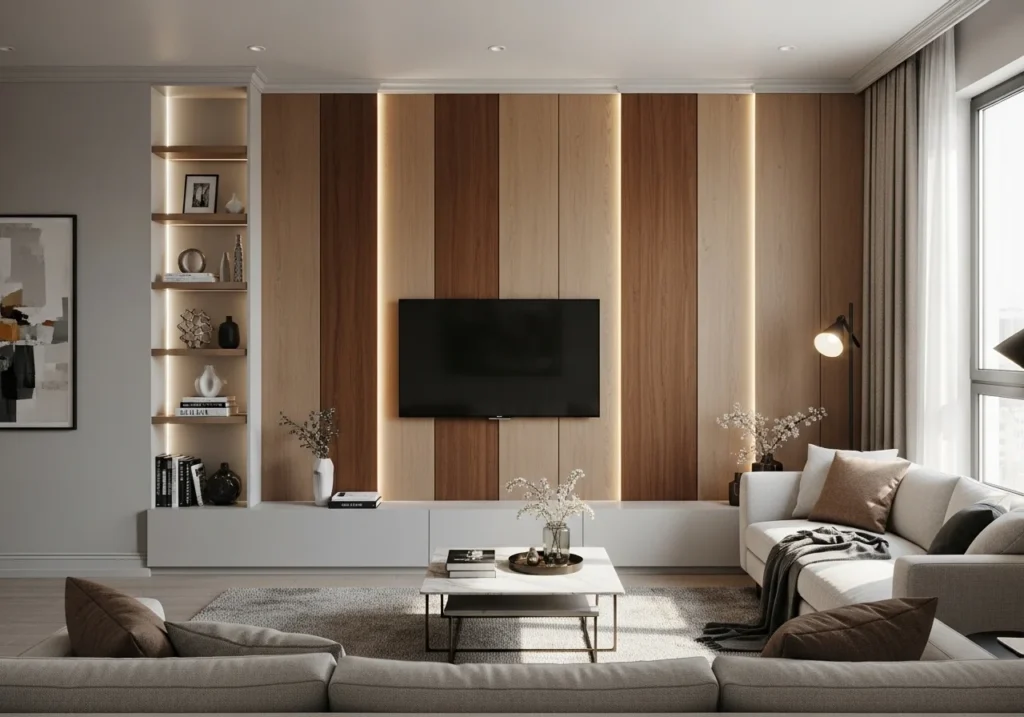
Vertical wood slats are a favorite in modern wall panel design. They create a sense of rhythm and height. This style is particularly effective in entryways and dining rooms.
Rustic Modern Style
Reclaimed wood panels offer a rugged, lived-in feel. Pair them with sleek metal furniture to create a balanced “industrial-chic” look. This contrast keeps the room feeling fresh and current.
Earth-Tone Styling Ideas
Match your wood panels with terracotta, olive, or clay colors. These combinations create a grounded, peaceful environment. Wood panels also pair beautifully with indoor greenery and plants.
PVC Wall Panel Design for Easy Maintenance
If you want style without the high price tag, PVC wall panels are the answer. They are incredibly durable and easy to clean. This makes them a smart choice for busy households or high-traffic areas.
Affordable Stylish Option
PVC mimics expensive materials like marble, stone, or high-end wood. You get the luxury look for a fraction of the cost. It is an excellent way to stick to a budget while upgrading your home.
Water-Resistant Panels
These panels excel in humid environments. Use them in bathrooms or kitchens where moisture is a concern. Unlike wood, PVC will not warp or rot over time.
Smooth Modern Finishes
The surface of PVC is sleek and reflective. It bounces light around the room, making dark spaces feel brighter. The tongue-and-groove installation system ensures a seamless, professional finish.
Ideal Spaces for Use
Beyond the bathroom, use PVC in laundry rooms or basements. It provides a clean, finished look to utility spaces. Maintenance is as simple as wiping the surface with a damp cloth.
Decorative Wall Panels for Luxury Style
For those who want to push boundaries, decorative wall panels offer artistic flair. These are not just wall coverings; they are architectural statements. They transform ordinary rooms into gallery-like spaces.
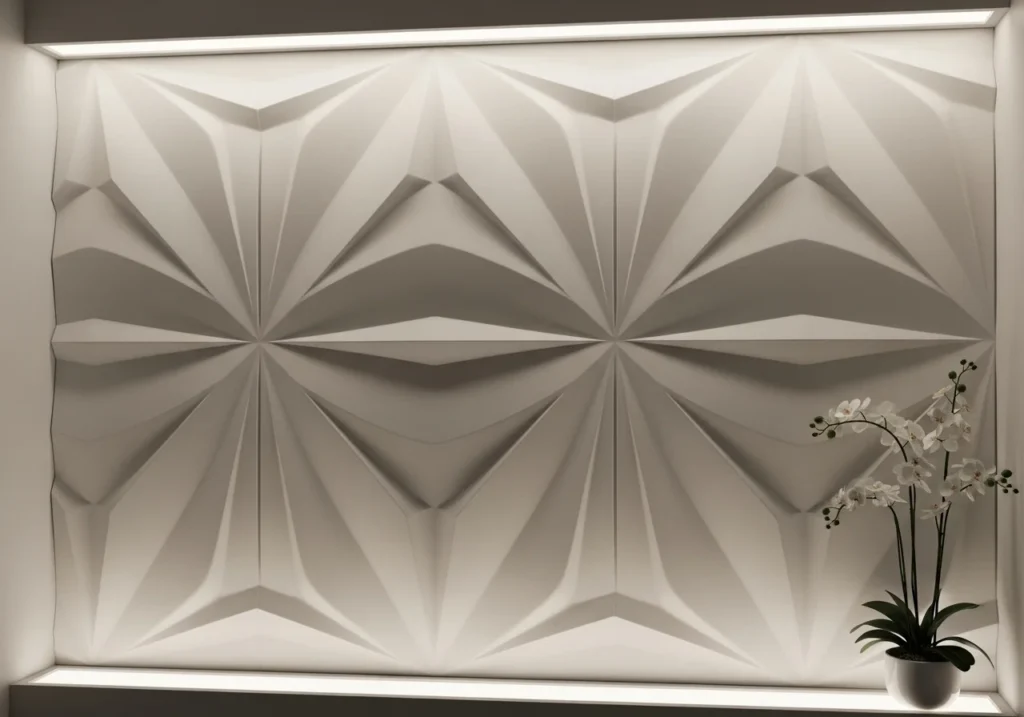
3D Wall Panels
Sculptural 3D panels create dramatic light and shadow effects. As the sun moves throughout the day, your wall appears to change. Wave patterns or geometric pyramids are popular choices for high-impact walls.
Metallic Finishes
Gold, bronze, and brushed silver panels scream luxury. Use them sparingly as accents to avoid overwhelming the room. They work beautifully in formal dining rooms or upscale home offices.
Marble-Look Panels
Large-format panels that mimic Calacatta or Carrara marble are stunning. They offer the grandeur of natural stone without the heavy weight or difficult installation. This creates an instant luxury wall panel design.
Artistic Statement Walls
Some panels come with intricate carvings or custom murals. These serve as the primary decor in a room, removing the need for framed art. Let the wall itself be the masterpiece.
Step-by-Step Guide to Choosing Wall Panel Design
Selecting the right wall panel design requires careful planning. You want the final result to feel intentional and integrated. Follow these steps to ensure a successful home transformation.
1. Select the Room
Decide which room needs the most impact. Start with public spaces like the living room or entryway. If you want a private retreat, focus on the master bedroom.
2. Choose Material Type
Evaluate your needs and budget. Wood offers warmth, while PVC offers durability. Fabric panels are great for acoustics, and 3D panels are best for visual drama.
3. Pick Color and Texture
Light colors make a room feel larger. Dark colors create intimacy and drama. Consider the existing furniture and floor colors before making a final decision.
4. Measure Wall Space
Accurate measurements are critical. Account for electrical outlets, light switches, and windows. Ordering 10% extra material is a smart move to cover any installation mistakes.
5. Install or Hire Expert
Simple DIY kits are available for slatted walls. However, complex interior wall paneling might require a professional. Ensure the wall surface is clean and flat before starting.
6. Add Lighting and Decor
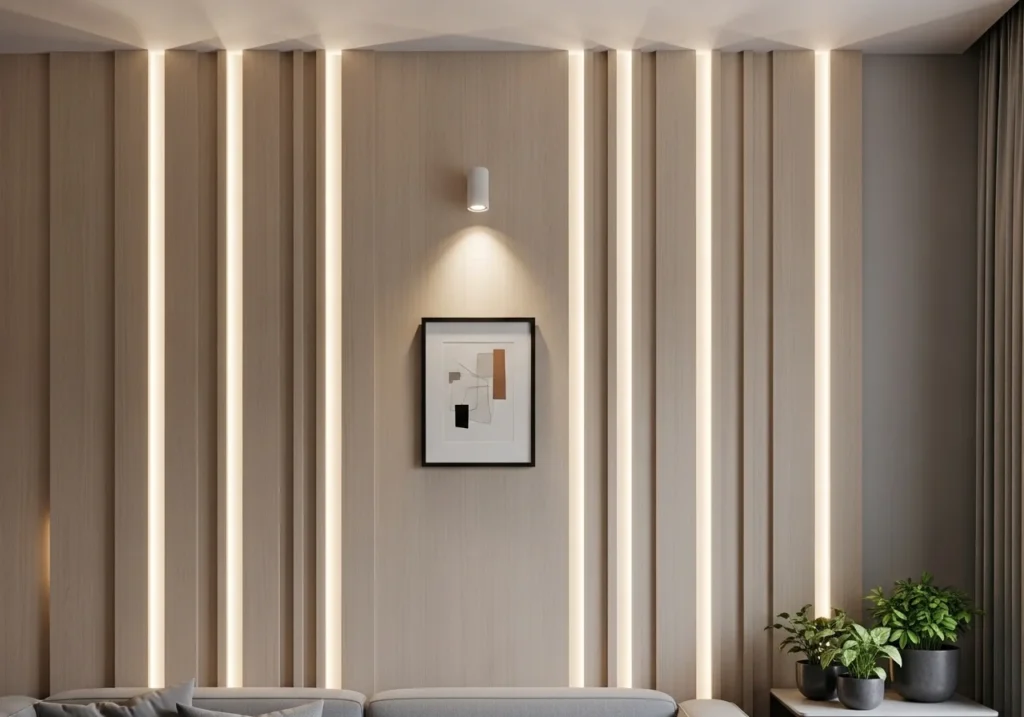
Lighting is the secret ingredient. Use LED strips or spotlights to graze the panels with light. This highlights the texture and makes the design pop at night.
Expert Tips for Perfect Wall Panel Design
Designing a space is an art form. To get a professional result, keep these expert tips in mind. They will help you avoid common mistakes and achieve a balanced look.
Match with Room Furniture
Your panels should complement your sofa, bed, or dining table. If you have modern furniture, go with clean lines. For traditional furniture, classic wainscoting or raised panels work best.
Keep Balance in Color Tones
Avoid using too many bold colors in one space. If your wall panel is dark, keep the ceiling and other walls light. This prevents the room from feeling “closed in” or claustrophobic.
Use Lighting to Highlight Texture
Directional lighting is essential for accent wall panels. Install recessed lights in the ceiling to cast shadows downward. This emphasizes the physical depth of the material.
Avoid Overdesign
You don’t need panels on every single wall. Usually, one or two walls are enough to make a statement. Overdoing it can make the room feel cluttered and distracting.
Focus on One Feature Wall
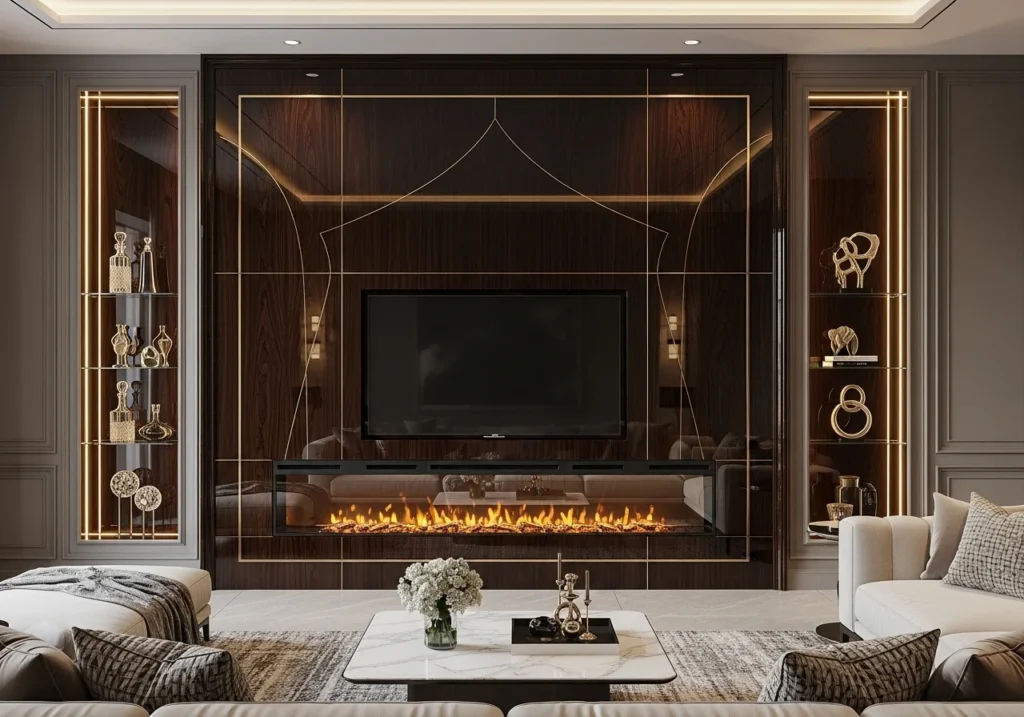
Pick the wall that naturally draws the eye. In a bedroom, it’s usually behind the bed. In a living room, it’s the wall with the TV or fireplace.
Choose Durable Materials
Consider the longevity of the material. High-quality wood wall panel design lasts for decades. In kitchens or playrooms, choose scratch-resistant and washable surfaces.
Conclusion
A well-executed wall panel design is the ultimate tool for interior transformation. It takes a plain room and turns it into a curated, stylish space. From the warmth of wood slats to the modern appeal of PVC, the options are endless.
You can create a home that feels both luxurious and comfortable. These panels provide the texture and depth that modern homes often lack. It is a simple way to express your personality and increase your home’s value.
Take the first step today. Look at your walls and imagine the possibilities. Whether you start small or go for a full-room makeover, you will love the results. Your dream interior is just a few panels away.
FAQs
What is the best wall panel design for living rooms?
The best choice often depends on your furniture. For modern homes, slatted wood or 3D geometric panels are highly popular. If you want a classic look, large-format marble panels or simple molding work beautifully.
Are wall panels still in style?
Yes, wall panels are more popular than ever. Modern technology has introduced new materials like PVC and lightweight composites. Designers use them to add character to minimalist and contemporary homes.
Which material is best for wall panel design?
Wood is the best for warmth and natural beauty. PVC is the best for budget and moisture resistance. MDF is a great middle-ground for painted designs, while fabric is best for soundproofing.
Can wall panels be used in bedrooms?
Absolutely. Using panels as a headboard or on the wall behind the bed is a top design trend. Fabric and upholstered panels are particularly good for creating a cozy, quiet bedroom atmosphere.
Are PVC wall panels a good option?
PVC is an excellent option for those looking for low maintenance and affordability. It is water-resistant, easy to clean, and comes in many finishes that look like real wood or stone.

Aria
Passionate writer sharing home decor, lifestyle, and modern living inspiration.
Related Articles
Explore more topics in this category