Accent Wall Ideas: Simple Ways to Refresh Your Home Style
One wall can change everything. A single bold choice transforms a plain room into a space full of personality and depth. That is the power of accent wall ideas.
You do not need a full renovation. You do not need a big budget. One well-designed wall adds focus, warmth, and visual interest to any room. It draws the eye and makes the space feel intentional.
Accent wall ideas range from simple painted surfaces to textured wood panels and patterned wallpaper. Each option creates a different mood. A deep navy wall feels bold and dramatic. A warm wood panel feels cozy and natural. A geometric paint design adds a modern edge.
This guide covers practical accent wall ideas for every room in your home. You will find options for living rooms, bedrooms, and small spaces. You will get a step-by-step process and honest tips to make your wall stand out without overcomplicating the design.
Simple choices create the strongest results. Let’s get started.
Why Accent Wall Ideas Matter
Creates a Focal Point
Every room needs a visual anchor. An accent wall gives your eyes a place to land. Without one, the room feels flat and directionless. A strong feature wall pulls the space together instantly.
Adds Depth to Small Spaces
A small room can feel bigger with the right accent wall. Contrast between walls creates the illusion of depth. Light walls with one darker or textured wall push boundaries visually. The room feels layered and intentional.
Improves Overall Room Look
Plain walls make a room feel unfinished. One designed wall elevates the entire space. It raises the perceived quality of your furniture, decor, and lighting. You spend less and gain more visual impact.
Popular Types of Accent Walls
Painted Accent Wall
Paint is the most accessible option. It costs less and delivers high impact. A painted accent wall uses one bold or contrasting color on a single wall. Deep greens, terracotta, charcoal, and dusty blue are strong choices right now.
Wallpaper Accent Wall
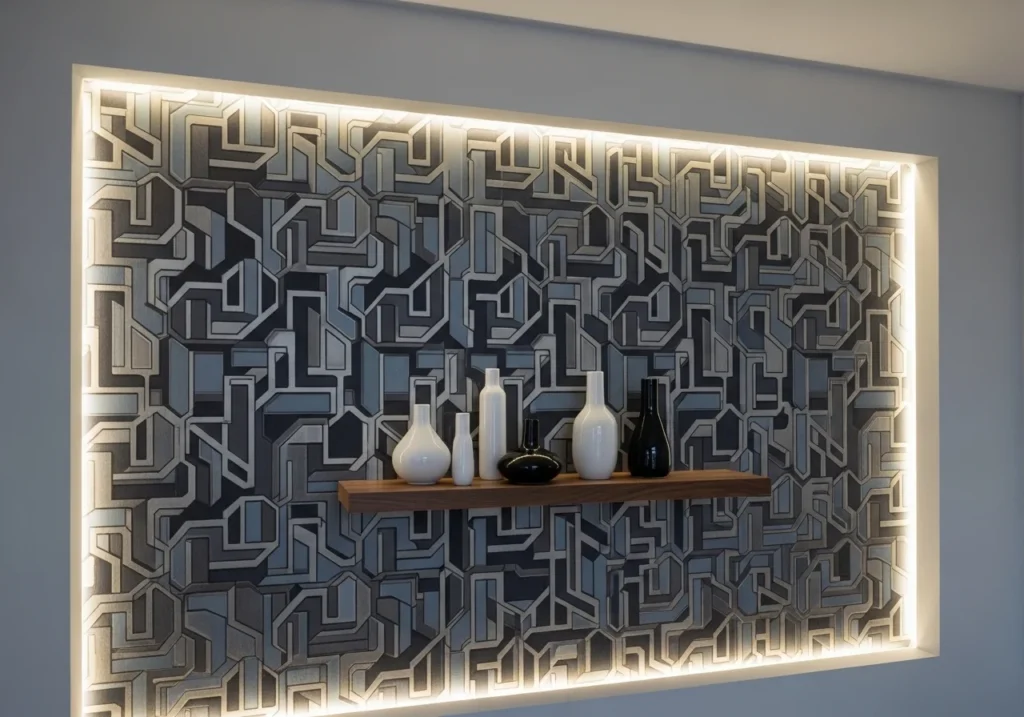
Wallpaper brings pattern, texture, and personality to any room. A single wallpapered wall adds richness that paint cannot match. Botanical prints, geometric patterns, and abstract designs all work well. Peel-and-stick wallpaper makes this option renter-friendly.
Wood Panel Wall
Wood panels add warmth and a natural texture. Shiplap, slat walls, and reclaimed wood are all popular wood accent wall designs. They work in living rooms, bedrooms, and even bathrooms. You can stain them dark, paint them white, or keep them natural.
Stone or Brick Wall
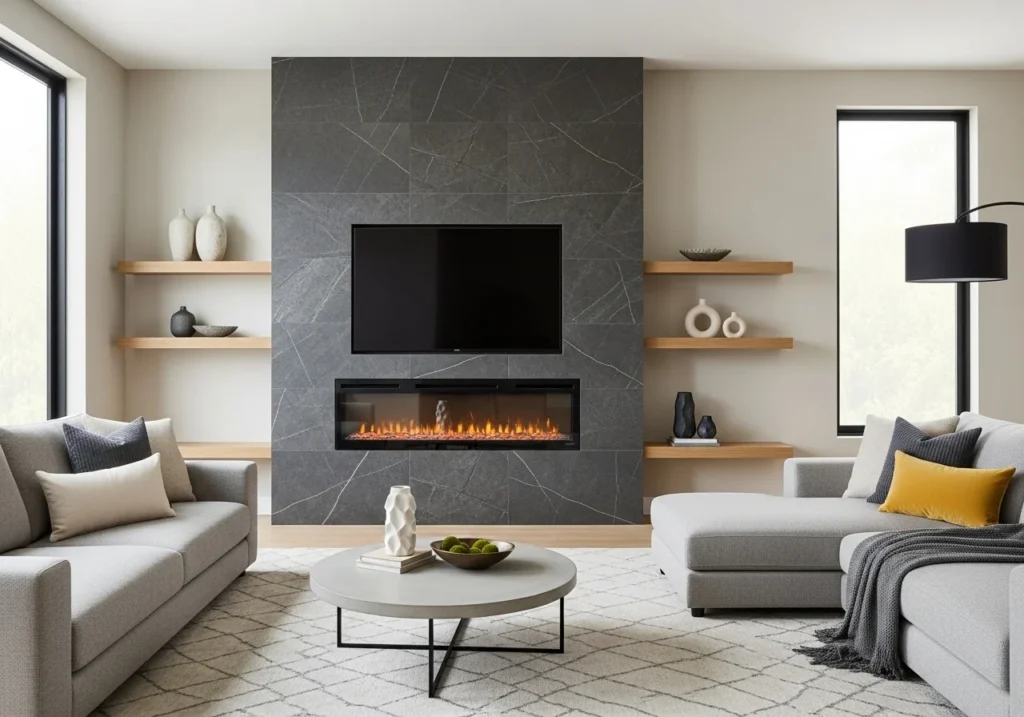
A stone or brick wall adds raw, industrial character. Real stone and brick are heavy and costly. Faux panels offer the same look at a fraction of the price. These walls pair well with leather furniture, metal fixtures, and earthy tones.
Accent Wall Ideas for Living Room
Bold Color Feature Wall
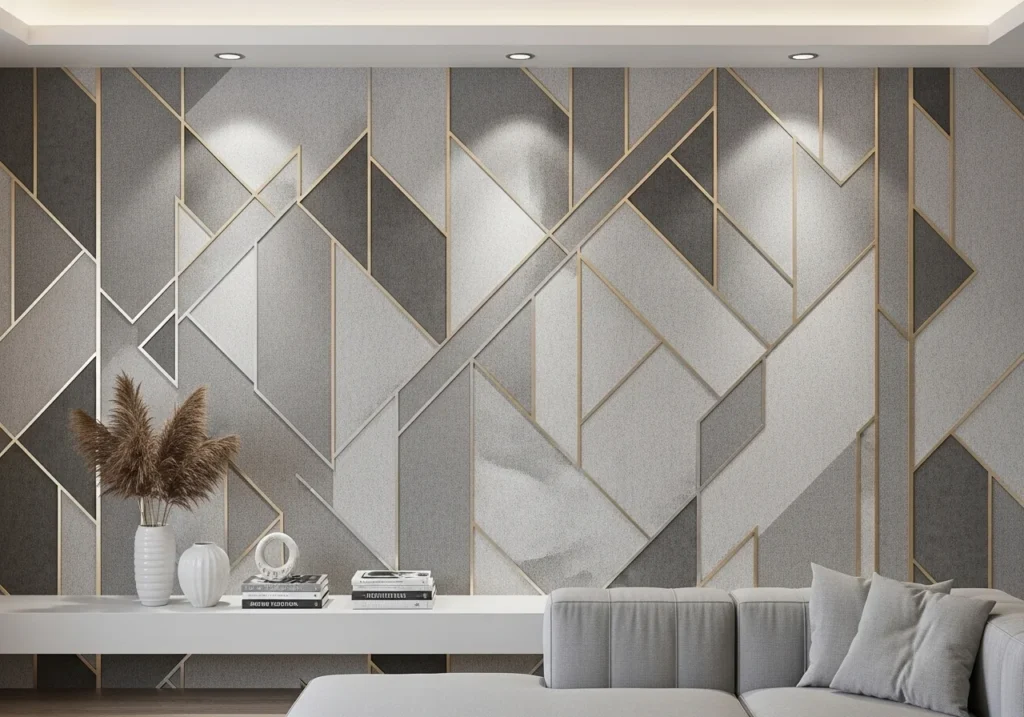
Choose the wall behind your sofa or fireplace. Paint it in a deep, saturated color. Emerald green, burnt orange, and slate blue all create strong contrast. Keep the remaining walls neutral to balance the room.
TV Wall Design
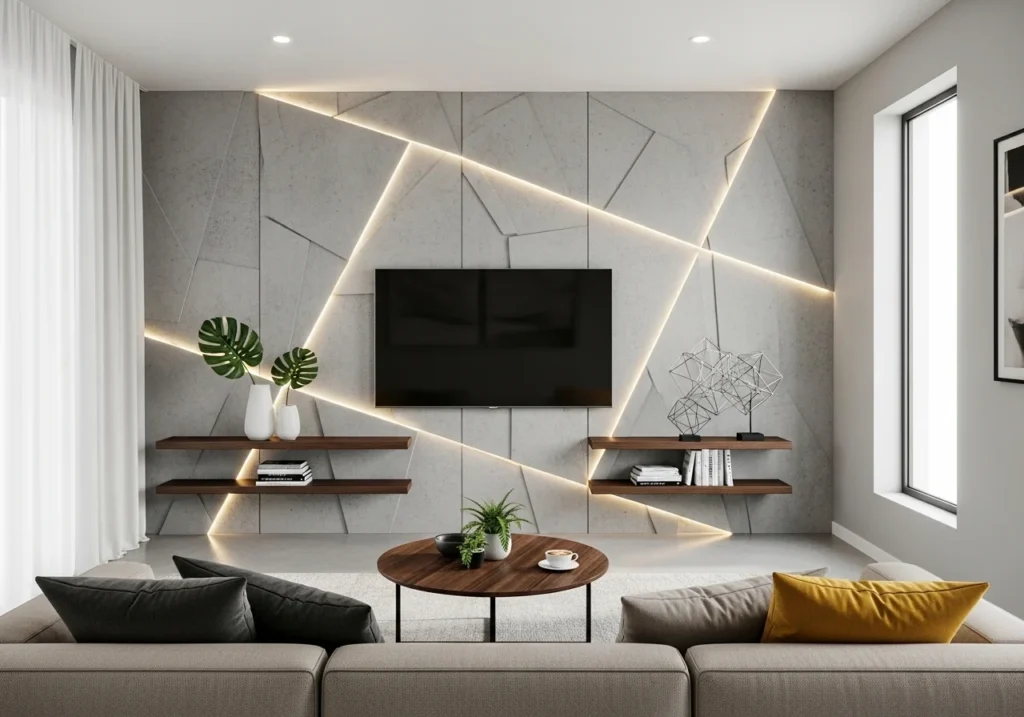
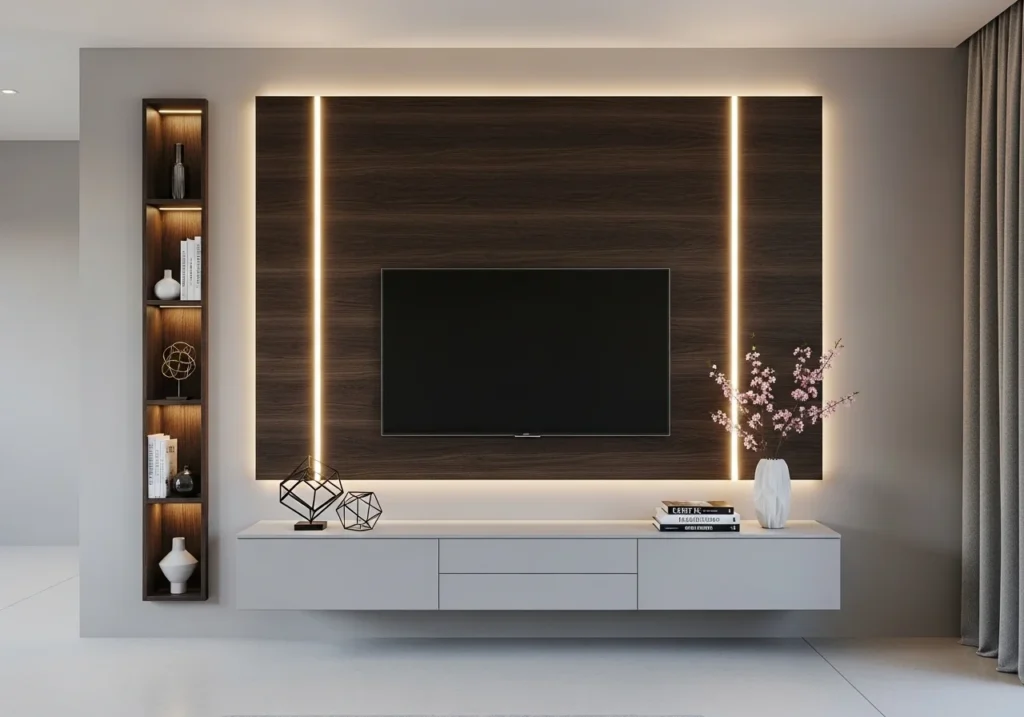
Your TV wall is a natural focal point. Build around it intentionally. Add floating shelves, LED strip lighting, or a textured panel behind the screen. A clean TV wall accent design makes the entertainment area feel curated.
Textured Panels
Textured panels add dimension without heavy renovation. Plaster, 3D wall panels, and layered wood strips all create visual texture. They catch light differently throughout the day and make the room feel alive.
Gallery Wall Setup
A gallery wall turns a plain surface into a story. Mix frames of different sizes and shapes. Use a consistent color palette for cohesion. Include art prints, photos, and mirrors. Space each piece evenly for a clean and organized look.
Accent Wall Ideas for Bedroom
Headboard Accent Wall
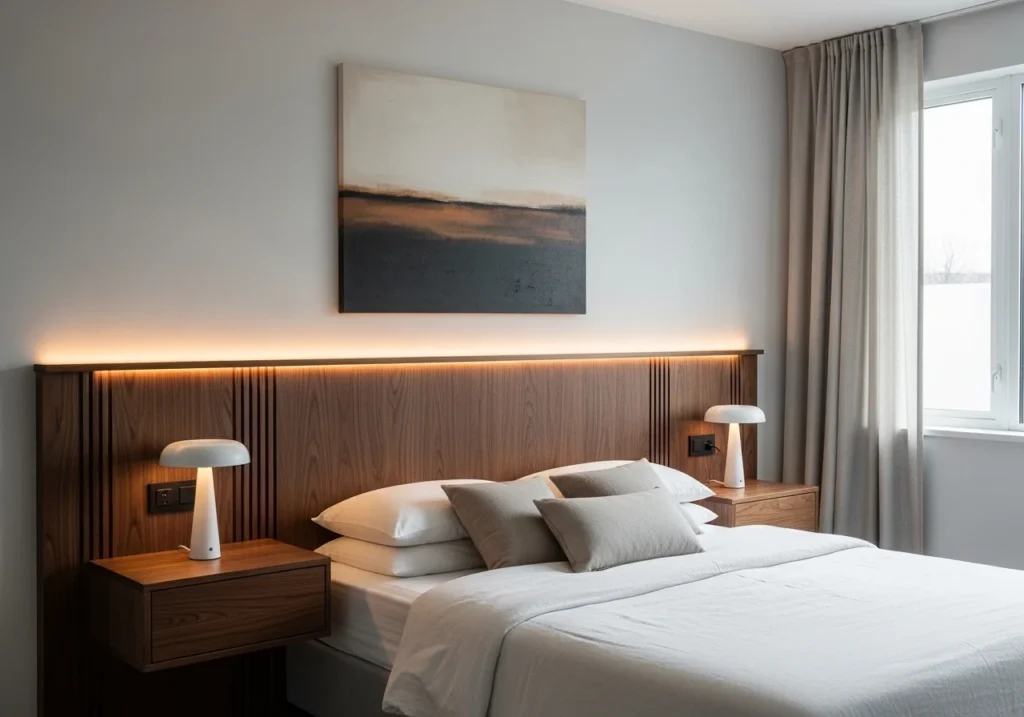
The wall behind your bed is the natural choice for a bedroom accent wall. Frame it with bold wallpaper, a paint block, or wooden panels. It replaces the need for a physical headboard and creates a polished, hotel-style look.
Soft Neutral Tones
Bold is not always the goal. A soft greige, warm white, or dusty sage on the headboard wall adds subtle contrast. The room feels calm, clean, and intentional without being loud.
Wood Slat Design
Vertical or horizontal wood slats on the bedroom wall create a spa-like atmosphere. They add texture without pattern and warmth without weight. Paint them white for a Scandinavian feel or keep the natural grain for an organic look.
Minimal Pattern Wallpaper
A low-contrast geometric or linen-texture wallpaper adds quiet personality. It enhances the room without competing with bedding or decor. Choose patterns with thin lines or subtle repeats for the most elegant result.
Accent Wall Ideas for Small Spaces
Light Color Contrast
In a small room, avoid very dark accent walls. Instead, use a slightly deeper tone than your main walls. The contrast reads clearly without making the space feel closed in. Soft terracotta, pale sage, and warm blush all work well.
Vertical Stripes for Height
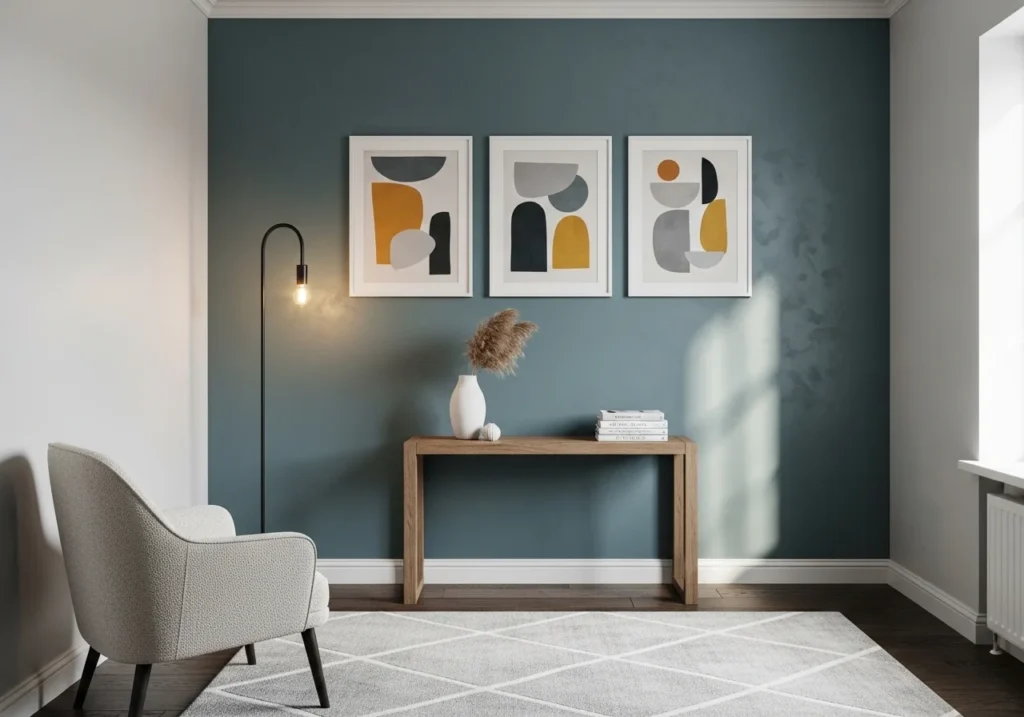
Vertical stripes make ceilings feel taller. Paint them in two tones of the same color for a refined look. Keep the stripe width between two and four inches. This approach works well in hallways, bathrooms, and small bedrooms.
Mirror Accent Wall
A wall of mirrors or a large mirror panel makes a small room feel twice its size. It reflects light and expands the visual space significantly. Use a collection of differently shaped mirrors for a styled, decorative effect.
Simple Geometric Paint
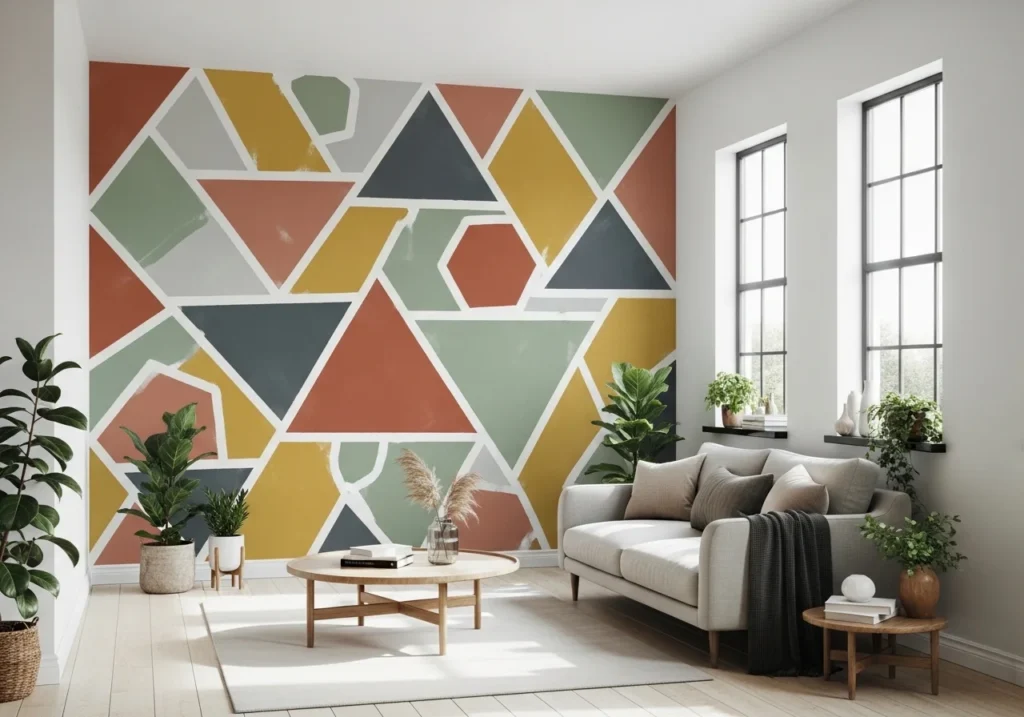
A geometric paint design uses tape and two colors to create shapes on the wall. Triangles, diamonds, or half-wall color blocking all work well. This approach costs almost nothing and delivers a high-design look in a small space.
Step-by-Step Guide to Create an Accent Wall
Step 1: Choose the Right Wall Pick the wall you see first when you enter the room. The wall behind a sofa, bed, or fireplace is the most natural choice. Avoid walls with many doors, windows, or outlets.
Step 2: Pick a Color or Material Decide between paint, wallpaper, wood, or stone. Choose a color that contrasts with your existing walls but fits your room’s palette.
Step 3: Clean and Prep the Surface Wipe the wall clean. Fill any holes or cracks with spackle. Sand the surface lightly. Apply primer if you are switching from a dark to light color or using wallpaper.
Step 4: Mark Your Design Layout Use a pencil, level, and painter’s tape to mark your design. This matters most for geometric paint patterns, stripes, or panel installations.
Step 5: Apply Paint or Install Material Paint in thin, even coats. Install panels from the bottom up. Smooth wallpaper from the center outward to remove air bubbles.
Step 6: Let It Dry and Finish Edges Allow full drying time before removing painter’s tape. Touch up edges with a small brush. Step back and assess the result in natural and artificial light.
Tips to Make Your Accent Wall Stand Out
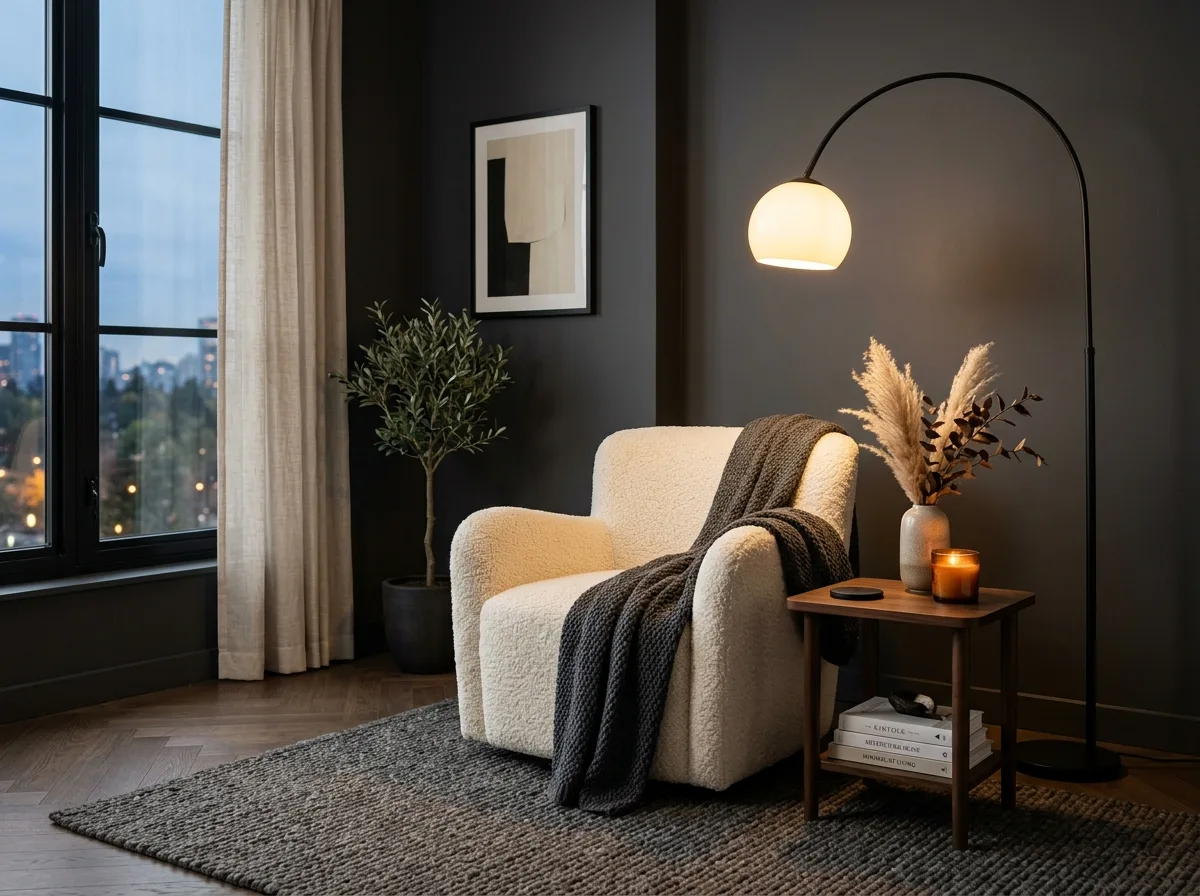
Use Proper Lighting Wall sconces, floor lamps, and LED strips highlight your accent wall after dark. Lighting adds drama and makes texture more visible.
Keep Balance with Other Walls Do not compete with your accent wall. Keep the remaining three walls simple and neutral. Let one wall lead.
Stick to a Color Palette Limit your accent wall to two or three colors max. A clear palette creates harmony. Too many colors create visual chaos.
Avoid Overcrowding Decor Let the wall breathe. A statement wall does not need heavy decor on top of it. One or two well-placed pieces create more impact than a cluttered arrangement.
Use Textures for Depth Texture adds interest that flat color cannot. Mix matte and satin finishes, add a woven wall hanging, or install dimensional panels to make the wall feel tactile.
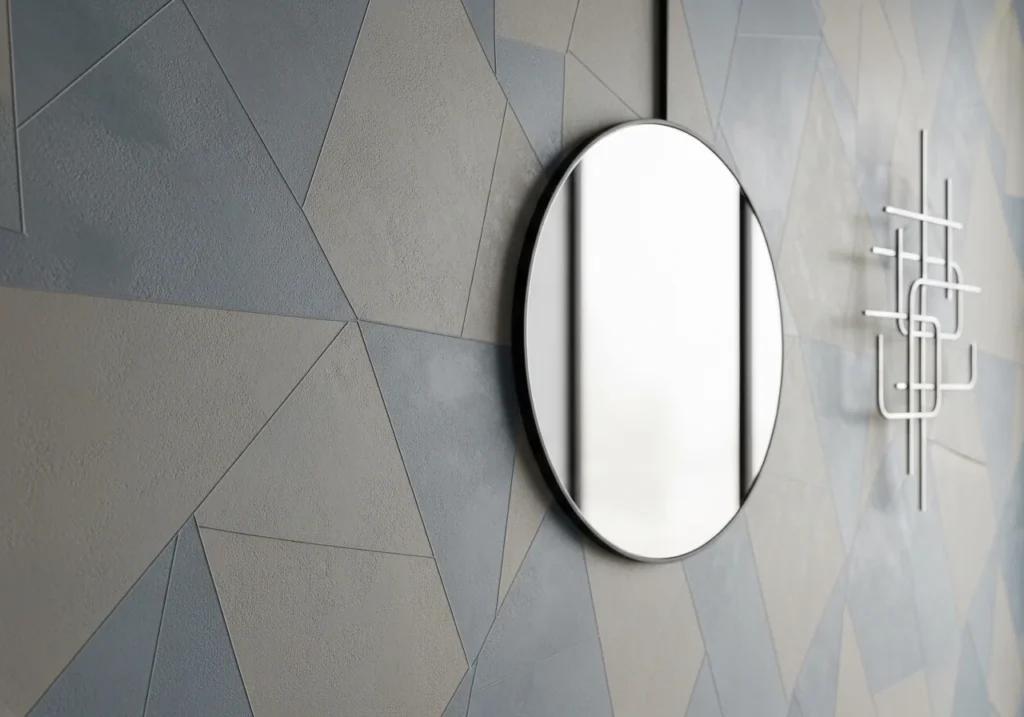
Match Furniture with Wall Tone Pull at least one color from your accent wall into your furniture or decor. A throw pillow, rug, or shelf object ties the room together and makes the design feel planned.
Common Mistakes to Avoid
Choosing the Wrong Wall Accent walls work on the wall with the most visual importance. Putting it on a side wall or an awkward corner weakens the effect.
Using Too Many Colors One bold color is powerful. Three competing colors create noise. Commit to one strong choice.
Ignoring Room Lighting A dark color in a poorly lit room looks heavy and dull. Test your color sample in both daylight and evening light before committing.
Overcomplicating the Design More is not always better. A clean, simple accent wall beats a busy, over-designed one. Restraint is a design skill.
Conclusion
An accent wall is one of the most efficient upgrades you can make in your home. It adds personality, depth, and focus to any room without a full renovation. Paint, wood, wallpaper, or stone each material brings a different character to your space.
Start with one wall. Choose a material that matches your skill level and budget. Keep the design clean and intentional. The best accent walls feel bold but not overwhelming. They feel like they belong.
You do not need a designer or a large budget. You need a clear vision, the right materials, and a steady hand. Your space deserves that one strong wall.
FAQs
1. Which wall should I choose for an accent wall?
Choose the first wall you see when entering the room. The wall behind your sofa, bed, or fireplace works best. It should be free of major obstructions like windows and doors.
2. What colors work best for accent walls?
Deep, saturated colors create the strongest impact. Charcoal, forest green, navy, terracotta, and dusty blue are popular choices. In small rooms, opt for slightly deeper tones rather than very dark shades.
3. Are accent walls still in style?
Yes. Accent walls remain a strong design choice in modern interiors. The approach has evolved from single bold paint colors to textured panels, wood slats, and layered wallpaper. The concept is timeless only the execution changes with trends.
4. Can I create an accent wall on a budget?
A single can of paint and painter’s tape can create a dramatic wall for under thirty dollars. Peel-and-stick wallpaper is another budget-friendly option. Wood slats from a hardware store cost more but still fall well below the price of a full renovation.
5. What materials are best for accent walls?
Paint is the most affordable and flexible option. Wallpaper adds pattern and richness. Wood panels bring warmth and texture. Stone or brick faux panels add an industrial or rustic feel. The best material depends on your room’s style and your budget.
6. How do I decorate an accent wall?
Keep it simple. Add one or two wall-mounted lights, a large mirror, floating shelves, or a piece of statement art. Avoid overloading the wall with decor. Let the wall itself carry the visual weight.

Related Articles
Explore more topics in this category