
15 Small Living Room Ideas: Layout, Decor & Space Saving Tips
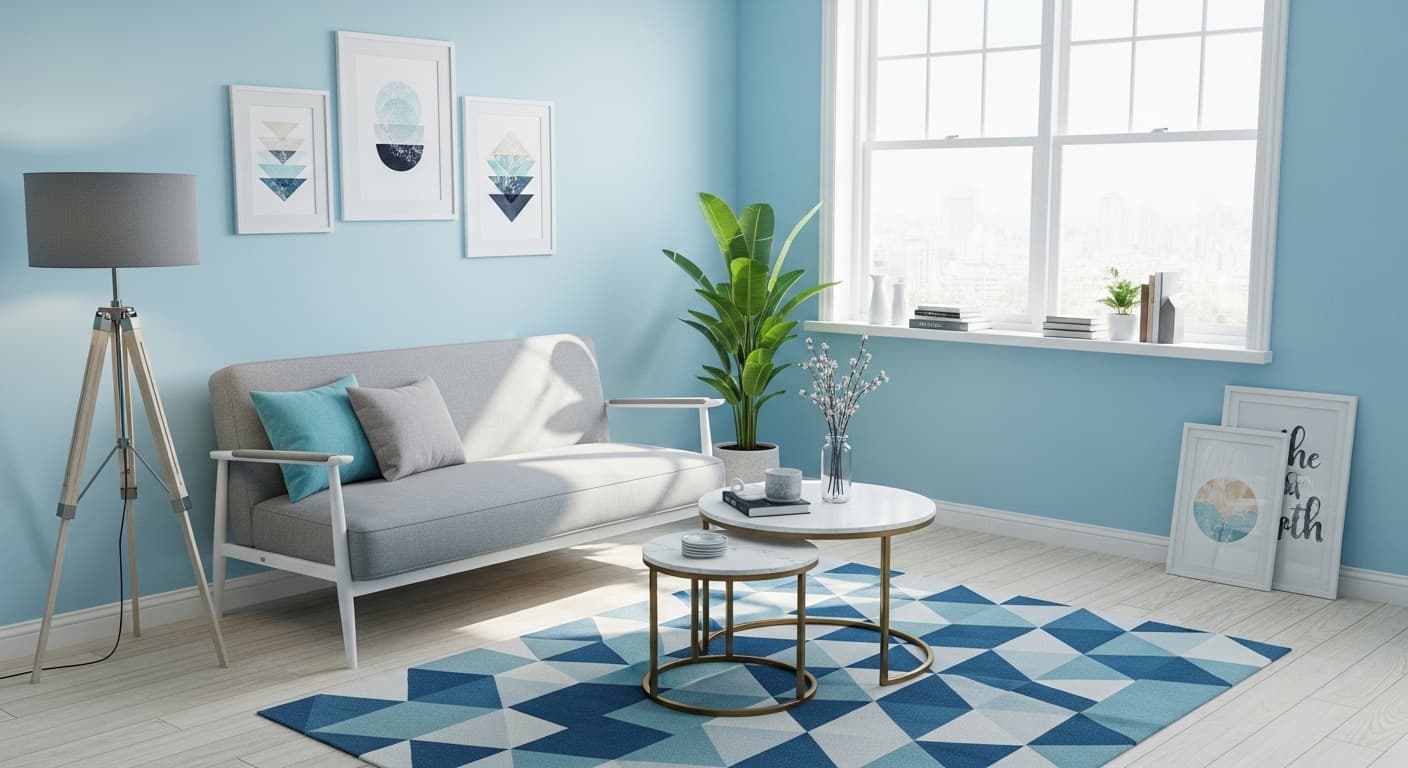
15 Small Living Room Ideas: Layout, Decor & Space Saving Tips
A small living room can feel like a design challenge at first glance. Limited floor space, awkward corners, and the constant battle against clutter can make it hard to know where to start. But here is the truth a compact living room does not have to feel cramped, dark, or uninspiring.
With the right small living room ideas, you can create a space that feels open, comfortable, and genuinely beautiful. It is all about making clever choices from furniture to colour, lighting to layout that work with the space rather than against it.
This guide covers everything you need to know. Whether you are starting fresh or just trying to refresh your current setup, these small living room decor tips will help you get the most out of every single square foot. If you are decorating on a budget, check out these affordable home decor ideas to make your home stylish without spending too much.

Why Small Living Room Decor Matters More Than You Think
The living room is the heart of most homes. It is where you relax after a long day, host friends and family, and spend your downtime. When it is small, every design decision carries more weight a poor layout or the wrong furniture scale can make the room feel like a box, while the right choices can make it feel twice the size.
Good small living room decor is not about settling for less. It is about being more intentional. Every piece of furniture, every accessory, and every colour choice should earn its place. The result? A space that feels curated, comfortable, and uniquely yours.
Small Living Room Layout Ideas That Actually Work
Getting the layout right is the foundation of everything else. Even the most beautiful decor will feel off if the furniture arrangement is awkward or inefficient.

Float Your Furniture Away From the Walls
It sounds counterintuitive, but pushing all your furniture against the walls actually makes a small room feel smaller. Pulling pieces slightly inward creates a defined seating zone that reads as intentional and spacious. Even a few inches of breathing room behind the sofa can make a real difference.
Choose a Focal Point and Build Around It
Every well-designed room has a focal point a fireplace, a TV wall, a large window, or a statement piece of art. In a small living room, choosing one clear focal point and arranging your furniture around it creates visual order. This stops the eye from bouncing around the room and makes the space feel more organised.
Use a Round or Oval Coffee Table
Square and rectangular coffee tables can make a small living room feel blocky and congested. A round or oval table takes up the same amount of space but removes the sharp corners, which makes the room flow better and feel easier to move around in. A glass-topped version adds the bonus of visual lightness.
Consider a Sectional That Fits the Corner
A well-chosen corner sectional can define a small living room beautifully. It uses space that would otherwise be wasted, provides generous seating, and anchors the room in one clean sweep. The key is scale choose a compact sectional designed specifically for smaller spaces rather than scaling down a large one.

Colour and Light: The Fastest Ways to Make a Small Room Feel Bigger
Colour and light are your most powerful tools when it comes to small living room ideas. Used well, they can visually double the perceived size of a room without moving a single piece of furniture.
Stick to a Light, Neutral Base
Soft whites, warm creams, pale greys, and light beiges reflect natural light and push the walls outward visually. A light-coloured room simply feels larger than a dark one, even if the dimensions are identical. Use these tones on your walls, ceiling, and larger furniture pieces to build an airy, open foundation.
Use a Monochromatic Colour Scheme
A monochromatic scheme using varying shades of the same colour creates a seamless, uninterrupted look that makes the eye travel smoothly around the room. This reduces visual clutter and gives even the smallest space a sense of flow and continuity. Try soft sage tones, warm taupes, or layered blues for a sophisticated result. Many interior designers at HGTV also recommend monochromatic color palettes to make small rooms appear larger and more cohesive.
Add One Bold Accent Colour
An all-neutral palette can feel flat without a point of interest. One bold accent colour introduced through cushions, a throw, a piece of artwork, or a single painted wall gives the room energy and personality without overwhelming it. Navy, terracotta, forest green, and deep rust all work beautifully against a neutral base.
Maximise Natural Light
Natural light is the single biggest factor in how large a room feels. Keep window areas clear of heavy furniture, use sheer curtains instead of thick drapes, and hang curtains as high and wide as possible to maximise the perceived size of your windows. A room flooded with natural light will always feel larger and more welcoming.
Layer Your Artificial Lighting
Do not rely on a single overhead light. Layer your lighting with a combination of ceiling lights, floor lamps, table lamps, and wall lights. Warm-toned bulbs create a cosy atmosphere, while directed spotlights or floor lamps can highlight features and draw attention away from the room’s compact dimensions.

Smart Furniture Ideas for Small Living Rooms
The wrong furniture can swallow a small room entirely. The right choices will make it look and feel far larger than it actually is. Here is what to look for.
Choose Furniture With Exposed Legs
Sofas, armchairs, and side tables with visible legs allow light to pass underneath them, which creates a sense of visual space at floor level. A sofa on legs will always make a small room feel more open than one with a skirt that reaches the floor. This is one of the most effective small living room decor tricks available to you.
Invest in Multi Functional Pieces
In a small living room, every piece of furniture should ideally serve more than one purpose. A storage ottoman replaces a coffee table and provides hidden storage. A sofa bed doubles as a guest room. A console table behind the sofa offers display space and a surface for lamps. Multi-functional furniture is not a compromise it is smart design.
Go Vertical With Storage

When floor space is limited, look up. Floor-to-ceiling bookshelves, tall storage units, and wall-mounted shelving draw the eye upward and make the room feel taller. They also keep clutter off the floor, which immediately makes the space feel larger and more breathable.
Use Nesting Tables Instead of a Single Large Coffee Table
Nesting tables are a brilliant solution for small living rooms. They can be spread out when you need them and stacked away when you do not, adapting to whatever the room requires. They take up far less space than a fixed coffee table and offer surprising flexibility for day-to-day use.

Choose a Slim-Profile Sofa
A sofa with a deep, oversized profile will eat into a small room very quickly. Look for a compact, slim-profile model with a straight back and tidy arms. Modular sofas that can be reconfigured to suit different arrangements are also worth considering for rooms where flexibility matters.

Small Living Room Decor Ideas to Add Style Without Clutter
Once the layout and furniture are sorted, it is time to think about the finishing touches. Small living room decor is all about choosing pieces that add character without adding chaos.
Hang a Large Mirror
A large mirror is one of the oldest tricks in the interior design book for good reason it works. Positioned opposite a window or light source, a mirror bounces light around the room and creates the illusion of depth. In a small living room, a floor-length leaning mirror or a wide wall mirror can be genuinely transformative.
Use a Statement Rug to Define the Space
A rug anchors a seating area and gives the living room a defined centre. In a small space, a rug that is too small will actually make the room feel more cramped. Go larger than you think you need ideally, the front legs of your sofa and chairs should sit on the rug to tie the seating area together.

Keep Accessories Edited and Intentional
In a compact room, every accessory is visible. Too many items on surfaces, shelves, and windowsills quickly feels overwhelming. Edit your accessories down to the pieces you genuinely love, group them in odd numbers for a natural look, and leave breathing space between them. A few well-chosen pieces always look better than a crowded shelf.
Add Greenery for Warmth and Life
Plants bring warmth, colour, and texture to a small living room without taking up meaningful floor space. A tall plant in a corner draws the eye upward and fills an awkward area. Trailing plants on shelves add softness. Small succulents or potted herbs on a side table introduce life without clutter.
Create a Gallery Wall With Purpose
A gallery wall in a small living room is a great way to add personality and visual interest without needing floor space. Keep the frames cohesive same finish, consistent spacing and choose artwork that connects to your colour palette. A well-executed gallery wall draws attention to the wall itself rather than the room’s dimensions.

Storage Solutions for Small Living Rooms
Clutter is the enemy of a small space. Good storage is not just practical it is a design decision that directly affects how large and calm your living room feels.
Built-In Shelving Around a Fireplace or TV
Alcoves on either side of a fireplace or TV unit are one of the best opportunities for built-in storage in a small living room. Custom shelving or fitted cupboards in these spaces use every inch of available area and give the room a tailored, considered look that feels intentional rather than improvised.
Hidden Storage in Plain Sight
Storage ottomans, lift-top coffee tables, and sofas with under-seat drawers all provide hidden storage that keeps the room tidy without sacrificing style. These are small living room ideas that work especially hard because they solve two problems seating and storage with one piece.

Use the Space Under a Console Table
A narrow console table placed behind a sofa or against a wall can hold baskets or boxes underneath for concealed storage, while the surface above provides space for a lamp, books, or decorative objects. It is one of the most underused storage solutions in a compact living room.
Quick Tips: Small Living Room Dos and Don’ts
DO:
- Use light colours on walls and ceilings to open up the space.
- Choose furniture with legs to allow light to flow underneath.
- Hang curtains high and wide to make windows appear larger.
- Use mirrors strategically to reflect light and create depth.
- Keep accessories edited less is more in a compact room.
- Go vertical with shelving and storage to maximise wall space.
- Use a large rug to anchor and define the seating area.
DON’T:
- Push all furniture flush against the walls it makes rooms feel smaller.
- Choose oversized sofas or coffee tables that dominate the space.
- Use too many different colours or patterns it creates visual chaos.
- Ignore the ceiling a light-coloured or statement ceiling adds height.
- Let clutter accumulate on surfaces and shelves.
- Block natural light with heavy curtains or oversized furniture near windows.
Small Living Room Style Inspirations to Try
Not sure which direction to take your small living room decor? Here are five distinct styles that all work beautifully in compact spaces.
Scandinavian: Clean lines, natural wood tones, white walls, and cosy textiles. This style prioritises simplicity and warmth a perfect match for small spaces.
Modern Minimalist: Monochrome palette, hidden storage, and zero clutter. Every piece is intentional and functional. Ideal if you want a sleek, contemporary result.
Biophilic / Natural: Brings the outdoors in with plants, natural textures like rattan and linen, and earthy colour palettes. Creates a calm, grounding atmosphere.
Boho Eclectic: Layered textures, warm colours, and personal accessories. Works well in small spaces if you keep the palette cohesive and avoid overfilling surfaces.
Mid-Century Modern: Tapered legs, organic shapes, and a mix of warm wood and bold accent colours. A small sofa with mid-century legs looks great in a compact room.

Common Mistakes to Avoid in Small Living Room Design
Even well-intentioned design choices can backfire in a small space. Here are the most common mistakes people make and how to avoid them.
- Buying furniture before measuring. Always measure your room and map out the layout before purchasing a single piece. Even a few centimetres of difference can affect whether a sofa fits comfortably.
- Overcrowding the space with too many pieces. A small living room with fewer, better-chosen pieces will always look more sophisticated than one packed with items. Resist the urge to fill every corner.
- Using a rug that is too small. This is one of the most common decorating mistakes in small rooms. A rug that floats in the middle of the floor with no furniture touching it makes the room feel disjointed.
- Choosing dark walls without balancing with light. Dark walls can look stunning in small rooms but require careful balancing plenty of light sources, reflective surfaces, and light-coloured furniture to stop the room feeling cave-like.
- Forgetting about traffic flow. Always check that people can move easily around the room. A layout that looks great on paper but blocks the natural path through the room will feel frustrating to live in.
- Neglecting the ceiling. The ceiling is often called the fifth wall for a reason. A light-coloured ceiling makes a room feel taller. A statement ceiling in a bold colour or with an interesting light fitting draws the eye upward and adds unexpected drama.

Conclusion: Your Small Living Room Can Be Your Favourite Room
A small living room is not a limitation it is an opportunity. With the right small living room ideas, you can create a space that feels considered, comfortable, and genuinely beautiful.
The key principles are simple: use light and colour strategically, choose furniture that earns its place, keep clutter under control, and add personality through carefully chosen decor. None of these require a big budget or a professional designer.
Start with one change rearrange the furniture, hang a mirror, repaint a wall. See how it transforms the feel of your space. Then build from there, one smart decision at a time.
Small living room decor done well will make you want to spend more time in the room not less. And that, ultimately, is the whole point. For more inspiration, check out our guide to Luxury Living Room Ideas that can make any home look elegant and stylish.