
Modern Home Exteriors: Styles & Ideas for 2026
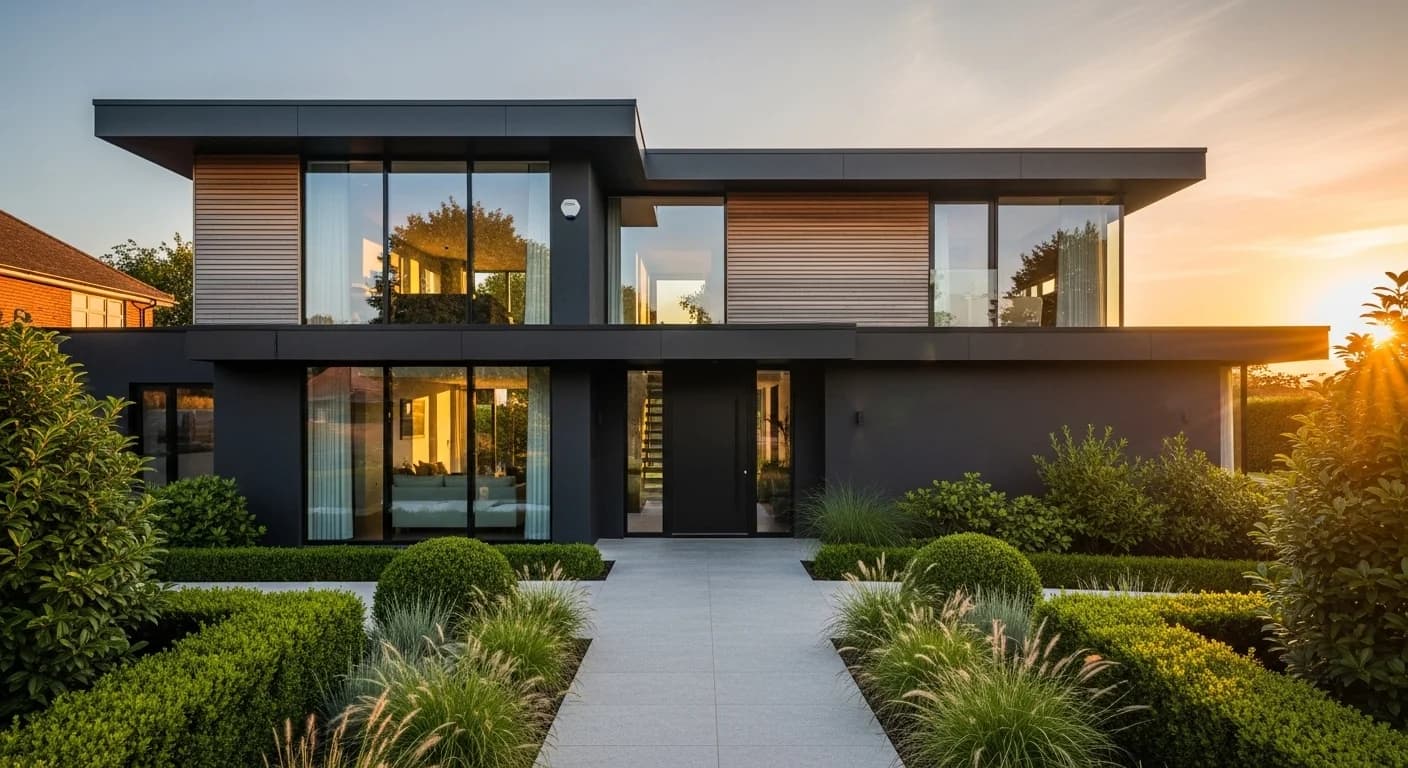
Modern Home Exteriors: Styles & Ideas for 2026
Your home’s exterior is the first thing anyone sees and the last thing you want is for it to look dated. Over 70% of estate agents say kerb appeal directly influences a buyer’s first impression, and even if you are not selling, living in a home that looks sharp from the outside simply feels better.
Modern home exteriors have moved well beyond plain white render and pebble dash. Today’s designs blend clean architecture, natural materials, bold colour choices, and smart outdoor spaces into one cohesive, eye-catching result. Whether you want a full exterior renovation or a few targeted upgrades, this guide will walk you through every element — from cladding and windows to front doors and landscaping. If you are working on the inside at the same time, our guide to contemporary design for homeowners covers the interior side of the transformation in just as much depth.

What Are Modern Home Exteriors?
Modern home exteriors describe the design of the outside of a house using current architectural principles. The style prioritises clean lines, low-maintenance materials, and a visual balance between structure and nature.
Unlike traditional exteriors, which rely on ornate detailing, brickwork patterns, or period features, a modern exterior strips things back. The focus is on proportion, material contrast, and how light plays across the facade at different times of day.
Modern exteriors are not a single fixed style. They draw from several design movements including minimalism, industrial design, Scandinavian architecture, and organic modernism. The result is a broad range of looks that can suit everything from a terraced townhouse to a detached family home.

Modern vs Traditional Exteriors: Key Differences
Understanding the gap between modern and traditional helps you make clearer design decisions when planning a renovation.
| Feature | Traditional Exterior | Modern Exterior |
|---|---|---|
| Lines & Forms | Curved, ornate | Clean, geometric |
| Materials | Brick, pebble dash, tile | Render, timber, steel, glass |
| Colour Palette | Red brick, cream, terracotta | Charcoal, sage, warm grey |
| Windows | Small, double-hung | Large, floor-to-ceiling |
| Front Door | Panelled wood | Composite, flush, bold colour |
| Landscaping | Formal hedges, gravel | Structural planting, paving |
The key takeaway is that modern does not mean cold or unwelcoming. The best modern exteriors combine sleek form with warm materials to create a home that looks bold from the street and inviting at the door.
6 Popular Modern Home Exterior Styles in 2026
Competitors focus heavily on colour and materials, but rarely break down the distinct styles available to homeowners. Here is a clear overview of the six most popular modern exterior styles right now.

1. Organic Modern
Organic modern is the fastest-growing exterior style in 2026. It blends the clean lines of contemporary architecture with natural materials like timber, stone, and clay render. The goal is to create a home that feels rooted in its surroundings rather than placed on top of them.
Large windows, wraparound planting, and earth-toned colour palettes define this look. It suits rural and suburban homes equally well.

2. Industrial Modern
Industrial modern brings raw textures and utilitarian materials into the residential setting. Exposed concrete panels, Cor-Ten steel accents, and dark metallic finishes define this look. It works particularly well on urban plots and former commercial conversions.
The palette tends to run dark charcoal, slate, and iron-toned grey with contrasting warm wood used as a balancing element.
3. Minimalist Black and White
This is the most straightforward version of modern exterior design. A stark white or off-white render is paired with black window frames, a black front door, and minimal landscaping. The result is sharp, photogenic, and timeless.
It works well on all home sizes and is one of the most cost-effective routes to a high-impact modern look.

4. Warm Scandinavian
Scandinavian-influenced exteriors use light timber cladding, off-white or pale grey render, and copper or brass hardware to create a home that feels serene and well-crafted. The palette leans warm rather than cold, with creamy whites and blonde wood tones dominating.
This style suits homes in areas with a strong tree line or natural backdrop, where the light tones of the exterior can pick up the surrounding greenery.
5. Mixed Material Contrast
Rather than committing to one cladding material, the mixed-material approach uses two or three contrasting textures to create depth and visual interest. A common combination is rendered lower storey, timber-clad upper storey, and a stone or brick section around the entrance.
This style is increasingly popular in new builds and extensions because it allows homeowners to break up a large facade without over-complicating the design.

6. Contemporary Farmhouse
The contemporary farmhouse style updates classic rural architecture with modern proportions. Board-and-batten cladding in weathered grey or sage green, a pitched roof with wide overhangs, and simple timber porches create a look that is simultaneously familiar and fresh.
This style suits countryside and edge-of-town homes where the architecture can respond to its environment.
Modern Home Exterior Colour Palettes for 2026
Colour is one of the most powerful and most affordable tools available in exterior design. Getting it right can transform a tired facade without touching a single structural element.
Charcoal and Warm Timber Deep charcoal grey render paired with warm stained timber creates one of the most popular modern exterior combinations of 2026. The dark base gives the home a strong, grounded presence while the timber softens the look and adds organic warmth.
Sage Green and White Trim Sage green has dominated exterior colour trends for two consecutive years and shows no sign of slowing down. It harmonises naturally with gardens and tree lines, and looks especially effective when offset with crisp white or off-white trim and dark-stained wood details.
Warm Greige and Black Accents Greige a blend of grey and beige provides a neutral base that works with virtually any architectural style. Pair it with black window frames, guttering, and a bold front door for a modern finish that feels considered rather than stark.
Slate Blue and Natural Stone Darker blues with grey undertones are gaining momentum in 2026. Paired with a natural stone plinth or stone-effect cladding, slate blue creates a sophisticated exterior that reads as premium from the street.
Rich Terracotta and Off-White Terracotta and clay tones are making a confident return this year. These earth-toned shades work particularly well on homes with a Mediterranean or Spanish architectural reference, and pair beautifully with off-white render, dark wood accents, and copper hardware.

The Best Materials for Modern Home Exteriors
Material selection defines the character, durability, and long-term maintenance requirements of a modern exterior. The materials below are the most commonly used in contemporary residential design.
Smooth Render
Smooth mineral or silicone render is the signature finish of modern exterior design. It creates a clean, seamless surface that takes colour well and requires very little maintenance when applied correctly. It suits flat and low-pitched roof styles particularly well.
Fibre Cement Cladding
Fibre cement boards and panels have become the go-to modern cladding material for homeowners. Products like Hardie Board replicate the look of timber at a fraction of the maintenance commitment. They are fire-resistant, dimensionally stable, and available in a wide range of profiles and colours.
Natural Timber and Timber-Effect Cladding
Genuine timber cladding in hardwood species like Siberian larch or western red cedar adds unmatched warmth and character to a modern exterior. For those who prefer lower upkeep, engineered wood and timber-effect composites deliver a comparable aesthetic with reduced maintenance.

Glass and Aluminium
Large-format glazing and slim-profile aluminium framing are central to the modern exterior vocabulary. Bifold or sliding glass walls, floor-to-ceiling fixed panes, and aluminium-framed composite doors all contribute to the clean, open aesthetic that defines the best modern homes.
Natural Stone and Stone-Effect Panels
Stone works brilliantly as an accent material on a modern exterior. A stone plinth around the base of a rendered home, a stone-clad chimney breast, or a stone entrance surround all add texture and a sense of permanence without overpowering the overall design.
Metal Cladding and Panels
Cor-Ten steel, zinc, and aluminium panels are increasingly used in residential design, particularly on contemporary self-builds and urban homes. Metal weathers naturally over time and develops a distinctive patina that adds character to the facade.
Windows and Doors: The Details That Define the Look
No element of a modern exterior has more visual impact per square metre than the windows and front door.
Modern Windows
Large glazed areas are a defining feature of modern home exteriors. Floor-to-ceiling fixed windows, corner glazing, and frameless glass gable ends all maximise light while reinforcing the architectural ambition of the design.
For colour, anthracite grey and matte black aluminium frames dominate the modern exterior market in 2026. Black-on-black and bronze-on-bronze window frames are a newer trend, giving the facade a uniform, graphic quality.

Front Doors
The front door is the single most impactful element you can change on an existing exterior. In 2026, bold door colours are firmly on trend. Deep navy, forest green, terracotta, burnt orange, and rich burgundy are all being used to create a strong focal point that draws the eye toward the entrance.
For style, flush composite doors with minimal hardware a single bar handle in brushed brass or matte black give the cleanest, most contemporary result.
Garage Doors
On homes where the garage is visible from the street, the garage door is the largest single surface on the facade. A flat-panel or ribbed aluminium door in a colour that matches or complements the front door transforms the entire character of the elevation.
Roofing in Modern Exterior Design
Roofing is not purely functional. On a modern home, the roof profile, material, and colour all contribute directly to the exterior aesthetic.
Flat and mono-pitched roofs are closely associated with contemporary architecture and work well on extensions and new builds. Standing-seam zinc or aluminium roofing gives a sleek, refined finish and weathers beautifully over time.
For traditional house forms being modernised, a simple pitched roof in dark slate or anthracite grey concrete tiles provides a clean, updated backdrop that lets the cladding and window choices do the visual work.
Architectural roofing styles with textured materials are growing in popularity in 2026, particularly products that replicate the appearance of natural slate while offering superior weather resistance and a longer service life.

Landscaping and Driveways: Completing the Modern Exterior
The space between the street and your front door is as much a part of your exterior design as the facade itself. Poor landscaping can undermine even the most carefully considered architecture. Thoughtful landscaping pulls the whole picture together.
Driveways and Paths
Block paving in large-format grey or charcoal tones suits most modern exteriors. Resin-bound gravel is a popular alternative — it drains well, stays clean, and comes in a range of neutral tones that work with rendered and clad facades alike. A single clean path from the drive to the front door, framed by planting or lighting, completes the entrance sequence.
Structural Planting
Modern exterior landscaping favours structure over variety. A few well-chosen plants used in quantity create more visual impact than a mixed border. Pleached trees, clipped box or hornbeam hedging, ornamental grasses, and architectural specimens like olive trees or Acer palmatums all suit the contemporary aesthetic.
Exterior Lighting
Exterior lighting performs two jobs: it improves security and it enhances the appearance of the home after dark. Recessed ground lights in the path, up-lights positioned to graze the facade, and a statement pendant or architectural wall light at the door all contribute to a well-considered modern exterior.
Unique Value Point: The 5-Layer Framework for Modern Home Exteriors
Most guides give you a list of trends. What they rarely give you is a framework for applying them coherently. Here is a practical five-layer approach that ensures every element of your modern exterior works together rather than competing.
Layer 1 Architecture: Start with the structural form. Clean up rooflines, remove unnecessary features, and assess whether any extensions or alterations are needed before surface finishes go on.
Layer 2 Cladding and Render: Choose your primary surface finish. Commit to one dominant material with one or at most two contrasting accents. More than three materials on a single elevation usually creates visual noise.
Layer 3 Colour: Apply your palette to all surfaces, including render, cladding, roof, windows, doors, guttering, and fascias. Consistency across these elements is what makes a modern exterior look intentional rather than assembled.
Layer 4 Openings: Review every window, door, and glazed opening. Replacing frames in a consistent colour and profile even on an otherwise unchanged house will have a transformative effect on the overall appearance.
Layer 5 Setting: Complete the picture with the driveway, planting, boundary treatment, and lighting. These elements frame the architecture and communicate the overall standard of the property from the street.
Work through these five layers in order and you will avoid the most common mistake in exterior renovation — choosing individual products that each look good in isolation but fail to read as a coherent whole.

How Much Does a Modern Home Exterior Renovation Cost?
Costs vary widely depending on the scale of the project, the materials chosen, and the condition of the existing exterior. The figures below give a realistic starting-point range for UK homeowners in 2026.
| Work | Estimated Cost Range |
|---|---|
| Full render (average semi-detached) | £4,000 – £9,000 |
| Fibre cement cladding installation | £5,000 – £15,000 |
| Composite front door supply and fit | £1,500 – £3,500 |
| Aluminium windows (full house) | £8,000 – £20,000 |
| Driveway replacement (resin-bound) | £3,000 – £8,000 |
| Exterior lighting scheme | £800 – £2,500 |
| Landscaping (planting and hard landscaping) | £2,000 – £10,000+ |
A targeted improvement to windows, door, and render on a standard semi-detached home can be achieved for between £15,000 and £30,000. A full transformation including landscaping and lighting sits between £25,000 and £50,000 depending on scope and material choices.
Planning Permission and Building Regulations
Most changes to home exteriors in England and Wales do not require planning permission under permitted development rights. However, there are important exceptions.
Changes to the materials or external appearance of a home in a conservation area typically require consent, even for minor alterations. Listed buildings require listed building consent for any external work.
New extensions, structural alterations, and changes to rooflines will require planning permission and, in most cases, building regulations approval. Always consult your local planning authority before beginning any significant exterior work.
The Planning Portal (gov.uk) is the most reliable source of up-to-date guidance on what does and does not require permission for domestic properties in England and Wales.
Final Thoughts
Modern home exteriors reward careful planning. The homes that make the biggest visual impression are rarely the result of the most money spent they are the result of clear thinking, cohesive material choices, and attention to detail across every element from the roofline to the garden gate.
Start with the architecture, work through the five layers, and treat every decision as part of a single composition rather than a series of separate purchases. Whether your goal is to increase the value of your property, reduce maintenance costs, or simply create a home that makes you proud every time you pull up to it, a well executed modern exterior delivers on all three.
Frequently Asked Questions About Modern Home Exteriors
What makes a home exterior look modern?
A modern home exterior uses clean lines, a restrained material palette, large-format glazing, and a consistent colour scheme across all facade elements. The absence of unnecessary ornamentation is as important as what is actually present.
What is the most popular colour for modern home exteriors in 2026?
Charcoal grey, sage green, greige, and slate blue are the leading modern exterior colours in 2026. Rich brown tones and terracotta are also gaining significant popularity as alternatives to the previously dominant dark neutrals.
What cladding is best for a modern home exterior?
Smooth render, fibre cement boards, and timber or timber-effect cladding are the most widely used materials for modern home exteriors in the UK. Each offers a different aesthetic and maintenance profile, so the best choice depends on the style of home and the level of upkeep you are comfortable with.
Do modern home exteriors add value to a property?
A well-executed modern exterior renovation consistently improves kerb appeal and, in most cases, adds measurable value to a property. Estate agents report that a presentable, freshly updated exterior can increase buyer interest and support a stronger asking price.
Do I need planning permission to modernise my home exterior? Most cosmetic changes, including render, cladding, new windows, and front doors, fall within permitted development rights and do not require planning permission. However, homes in conservation areas, listed buildings, and any project involving structural changes or extensions will likely need planning consent. Always check with your local planning authority first.