
Contemporary Design Ideas to Transform Your Home Space
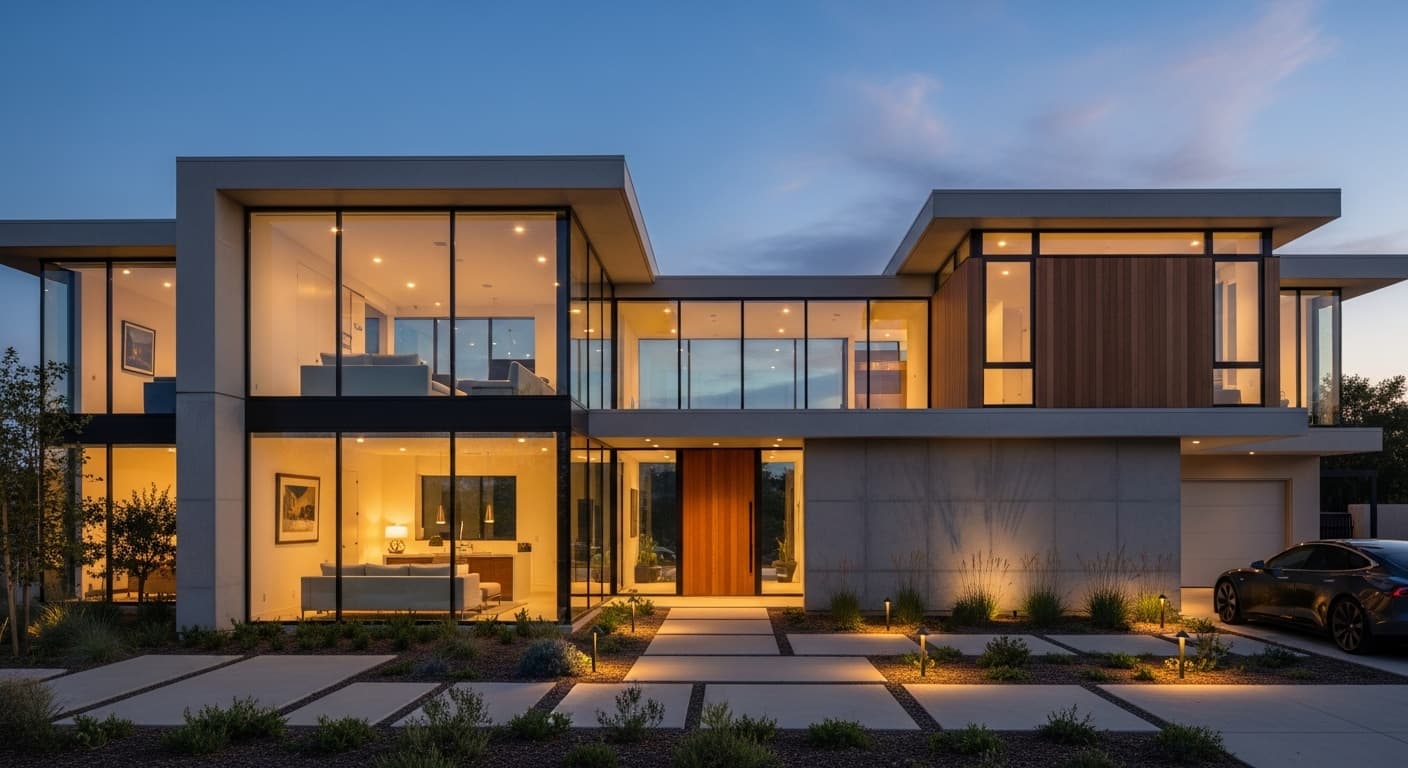
Contemporary Design Ideas to Transform Your Home Space
Over 60% of homeowners say their living space no longer reflects their personal style. Contemporary design has become one of the most sought-after approaches for people who want a home that feels fresh, functional, and visually balanced.
It combines clean lines, open layouts, and a thoughtfully chosen colour palette to create spaces that feel both comfortable and refined. If you want to refresh a single room or rework your entire home, the right quick home decor choices can make a noticeable difference from day one.

What Is Contemporary Design? Understanding the Core Style
Contemporary design refers to the style of the present moment. It reflects what is trending now, which means it continues to evolve. This sets it apart from fixed historical styles that remain rooted in a specific era.
At its core, contemporary style prioritises simplicity, functionality, and visual balance. It avoids excess ornamentation and favours clean lines, open space, and materials that feel current. The result is a home that looks polished without feeling cold or uninviting.
When it comes to home decoration items, contemporary spaces rely on carefully selected pieces that serve both practical and aesthetic purposes. Every element earns its place in the room.

Modern vs Contemporary: What Is the Difference?
Many people use the terms modern and contemporary interchangeably, but they refer to two different things. Modern design is tied to a specific historical period, roughly the early to mid-twentieth century. It draws from the modernist movement, with a focus on function over form and natural materials like wood, leather, and linen.
Contemporary design, in contrast, belongs to the present day. It borrows freely from many styles, including modern, and adapts them to suit current tastes. Where modern design tends to feel warm and earthy, contemporary interiors often lean toward a sleeker, more polished finish.

The table below outlines the key differences between these two frequently confused design approaches.
| Feature | Modern Design | Contemporary Design |
| Time Period | Early–mid 20th century | Present day |
| Materials | Wood, leather, linen | Glass, steel, mixed textures |
| Colour Palette | Warm, earthy tones | Neutral base with bold accents |
| Lines & Forms | Clean, horizontal emphasis | Clean, geometric, and curved |
| Flexibility | Fixed to a historical era | Evolves with current trends |
| Accessories | Minimal, purposeful | Intentional, often statement pieces |
Key Elements of Contemporary Design
Several core elements appear consistently across contemporary interiors and exteriors.
- Clean lines and geometric shapes: Furniture and architecture use straight edges and structured silhouettes rather than decorative flourishes.
- Neutral colour palette: Whites, greys, blacks, and beiges form the foundation. Bold accent colours are introduced in small doses through cushions, artwork, or a feature wall.
- Open-plan layouts: Contemporary spaces favour open, uncluttered floor plans that allow natural light to move freely through the room.
- Natural and mixed materials: Concrete, glass, brushed steel, and natural timber are often combined to add depth and visual texture.
- Contemporary design furniture: Every piece is chosen for its purpose as much as its appearance. Multi-functional items are especially common in smaller homes.
- Minimal accessories: Accessories are used intentionally. A few well-chosen pieces carry more visual impact than a room full of clutter.
- Artwork as a focal point: Contemporary spaces often feature a single bold artwork or sculpture that anchors the room without overwhelming it.

Contemporary Design Interior: Room-by-Room Ideas
Contemporary design interior spaces are defined by how light, texture, and layout work together. A well-executed contemporary interior feels airy and effortless, even when it contains strong visual elements.
Living Rooms
Start with the walls. A neutral base in white, warm grey, or soft stone creates the ideal backdrop for layering texture and colour. A textured wall panel or a single feature wall in a deeper tone adds dimension without overwhelming the space.
Flooring sets the tone across the whole room. Large-format tiles, polished concrete, or wide-plank timber all suit a contemporary aesthetic. Pair them with a simple area rug to soften the feel and define zones within an open-plan layout.
Lighting is one of the most transformative elements in a contemporary interior. Recessed ceiling lights, statement pendants, and floor lamps each serve a different purpose. Layer your lighting to create atmosphere and highlight key features throughout the room.

Bedrooms
For bedroom decor, a contemporary approach means keeping the palette calm and the layout uncluttered. A low-profile bed frame, integrated storage, and a single piece of wall art are often enough to create a space that feels both sophisticated and restful.
Textured bedding in natural fabrics such as cotton or linen adds warmth without introducing pattern or colour. A bedside pendant or wall-mounted reading light replaces bulky table lamps and frees up surface space.

Kitchens and Bathrooms
For a luxury kitchen look, handleless cabinetry, a waterfall island, and pendant lighting create a clean, functional workspace. Quartz or engineered stone worktops pair well with integrated appliances for a seamless, high-end finish.

Bathrooms benefit from large-format wall tiles, a freestanding bath or walk-in shower, and wall-hung sanitaryware. Keep accessories minimal and choose fixtures in brushed brass or matte black for a refined, contemporary result.

The 7 Types of Contemporary Art and How to Use Them at Home
Art plays a central role in contemporary design. The seven main types of contemporary art are painting, sculpture, photography, installation, video art, performance art, and digital art. Of these, the most commonly used in residential settings are painting, photography, and sculpture.
- Painting: A large-scale canvas in abstract or geometric form suits living rooms, dining rooms, and hallways. Choose a palette that picks up on existing tones in the room.
- Photography: Framed photographic prints work well in bedrooms, offices, and corridors. Black-and-white photography adds contrast and visual calm.
- Sculpture: A single sculptural object on a shelf or plinth creates a strong focal point without taking up wall space.
- Digital art: Digital prints and NFT-style artworks displayed on digital frames are a growing trend in contemporary interiors.
- Installation: Smaller, gallery-style installations using light, texture, or found objects can be adapted for residential use in larger living or dining spaces.

Final Thoughts
Contemporary design combines clean lines, thoughtful material choices, and an intentional use of space to deliver results that are both striking and timeless. Above all, the style is flexible enough to work in any home, from a compact apartment to a large family house, so start with one room, choose pieces that serve both fun.

Frequently Asked Questions About Contemporary Design
What are some contemporary design styles?
Contemporary design draws from minimalism, Scandinavian, industrial, and mid-century modern influences. It combines elements from several styles into one cohesive, current aesthetic.
What are contemporary details in design?
Contemporary details include flush cabinetry, slim window frames, handleless joinery, floating staircases, and carefully chosen accent materials like brushed brass or matte black finishes.
What type of style is contemporary?
Contemporary style is fluid and evolving. It prioritises current aesthetics, balancing simplicity with visual impact through material choices and spatial planning.
What defines contemporary?
Contemporary in design means connected to the present. It uses current materials, forms, and colour trends to create spaces that feel relevant and refined today.