
Bedroom Lighting Ideas for a Cozy Modern Interior
Bedroom Lighting Ideas for a Cozy Modern Interior
Getting your bedroom lighting right makes a bigger difference than most people expect. Expensive furniture and carefully chosen decor can still fall flat if the lighting is wrong. The right bedroom lighting ideas address three things at once: how the room functions during the day, how it feels in the evening, and what mood it creates when you wind down at night.
This guide covers every practical bedroom lighting idea you need, from bedside lamps and ceiling pendants to LED strip lights and smart dimmers. If you are working with a small room or a large master bedroom, layering your light sources is the single most effective upgrade you can make.

Why Layered Lighting Is the Foundation of Good Bedroom Lighting Design
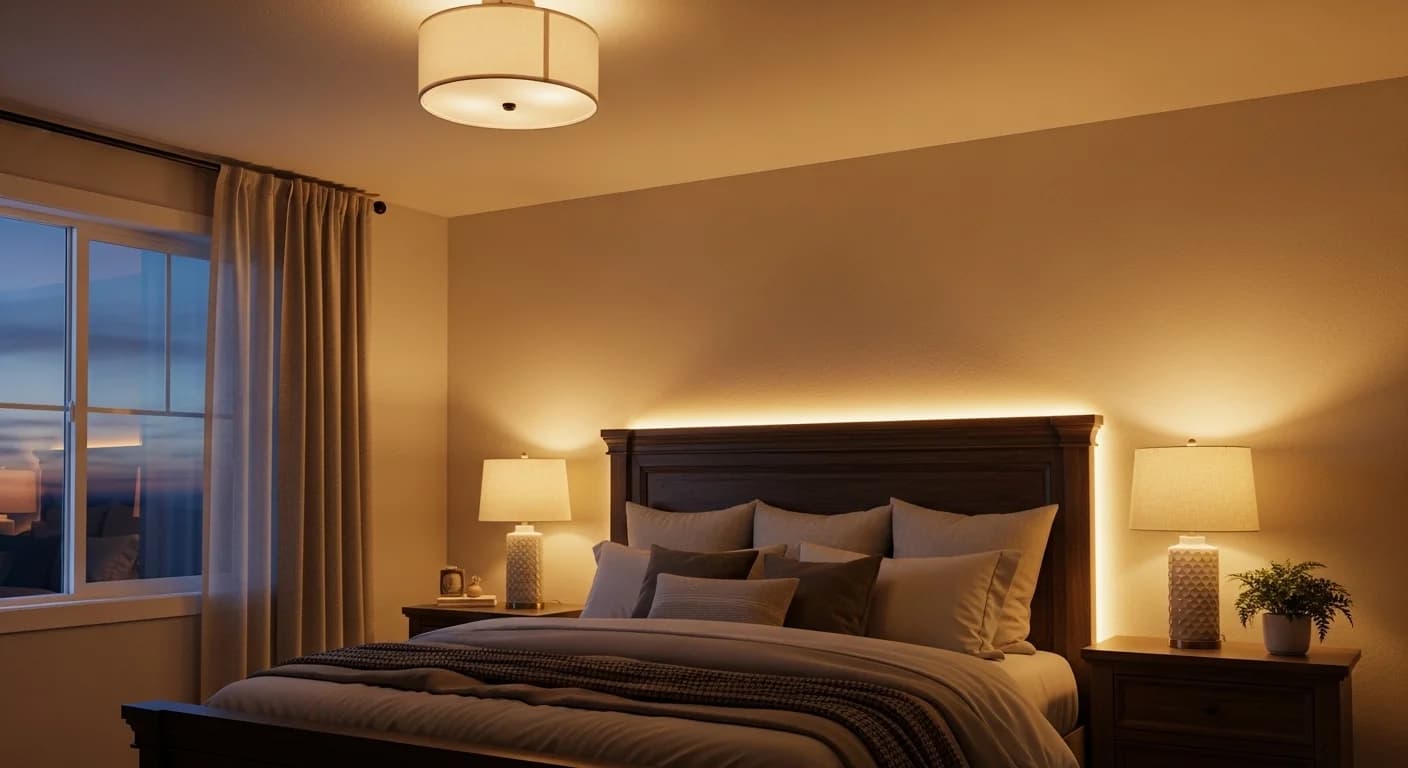
Professional interior designers always start with a layered approach. Rather than relying on a single overhead light, layered bedroom lighting design combines three distinct types of light in the same room:
- Ambient lighting: the base layer that provides overall illumination
- Task lighting: focused and functional light for reading, dressing, or working
- Accent lighting: decorative light that highlights architectural features or creates atmosphere
When these three layers work together, the result is a room that looks polished and feels genuinely comfortable at any time of day. A bedroom with only a single ceiling light will always feel flat and harsh, regardless of how well it is decorated. If you love cozy spaces, you can also explore our Small Living Room Ideas for more smart decorating inspiration.

The Best Bedroom Lighting Ideas by Type
1. Bedside Table Lamps
Bedside lamps are the most practical bedroom lighting upgrade you can make. A matching pair on either side of the bed creates symmetry and provides soft, localised light for reading without disturbing a partner. Choose bulbs between 2700K and 3000K for a warm, relaxing tone. Linen, ceramic, and rattan lamp bases all complement a wide range of bedroom styles. Design experts at Architectural Digest also highlight how layered lighting can completely transform a bedroom.

2. Bedroom Ceiling Light Ideas: Pendants and Flush Mounts
The ceiling light is often the first fixture people choose, yet it is rarely used at its full potential. Replacing a standard flush mount with a statement pendant instantly lifts the visual quality of the room. For lower ceilings, a wide, shallow drum shade works well. For rooms with height, a single or double-drop pendant adds drama without overwhelming the space.
Fitting a dimmer switch to your main bedroom ceiling light is one of the most cost-effective changes you can make. It gives you full control over intensity throughout the day.

3. LED Strip Lights for Accent and Mood Lighting
LED strip lights have moved well beyond novelty. When installed thoughtfully, they are one of the most versatile bedroom lighting ideas available. Common placements include:
- Behind the headboard for a soft halo glow effect
- Under the bed frame to create a floating visual effect
- Along a ceiling coffer or alcove for indirect, architectural lighting
- Behind a TV wall panel or bedroom shelf unit
For bedrooms, always choose warm white (2700K) or dimmable RGB LED strips. Avoid cool blue-toned strips in sleeping areas as they can interfere with melatonin production and disrupt sleep. For more stylish inspiration, explore our Modern Home Exterior Ideas to see how lighting enhances overall design.

4. Wall Sconces
Wall sconces fixed either side of the bed are a practical alternative to table lamps, particularly in smaller bedrooms where surface space on bedside tables is limited. They free up table space, keep cables tidy, and add a boutique hotel feel to the room. Swing-arm sconces offer even more flexibility as the light can be angled for reading.

5. Smart Bulbs and Dimmers
Smart bulbs compatible with systems like Philips Hue, IKEA TRADFRI, or Google Home allow you to adjust colour temperature and brightness from your phone or through voice commands. This is one of the most practical bedroom lighting ideas for people who want full flexibility without rewiring. Set a warm, dim scene for evenings and a brighter, cooler tone for mornings.

Quick Comparison: Bedroom Lighting Ideas at a Glance
Use the table below to compare the most popular bedroom lighting options by function, placement, and mood.
| Lighting Type | Best For | Placement | Mood Created |
| Bedside Table Lamps | Reading & ambient light | Both sides of the bed | Warm and intimate |
| LED Strip Lights | Accent & mood lighting | Under bed frame or headboard | Modern, relaxed |
| Ceiling Pendant Light | General overhead lighting | Centre of the room | Elegant, balanced |
| Wall Sconces | Decorative & task lighting | Either side of the headboard | Cosy, boutique feel |
| Recessed Downlights | Clean, uniform lighting | Evenly across ceiling | Contemporary, sleek |
| Floor Lamp | Corner accent & reading | Beside armchair or corner | Soft, layered ambience |
| Smart Bulbs & Dimmers | Customisable atmosphere | Any existing fitting | Fully adjustable |
Bedroom Lighting Ideas for Small Rooms
In a small bedroom, the wrong lighting makes the space feel cramped and dim. The goal is to add light without sacrificing floor space or making ceilings feel lower. These ideas work particularly well:
- Wall sconces instead of table lamps free up surface area on small bedside tables
- Recessed downlights eliminate the visual clutter of hanging fittings in low-ceiling rooms
- A large mirror positioned to reflect a nearby lamp instantly doubles perceived light
- Vertical floor lamps in corners draw the eye upward and make rooms feel taller
Avoid dark lampshades in small rooms. Light passes through them poorly and can make an already tight space feel heavy and enclosed.

Choosing the Right Bulb Colour Temperature for Your Bedroom
Colour temperature, measured in Kelvin (K), determines how warm or cool your light appears. This is one of the most common areas where people make mistakes with bedroom lighting. The correct range for bedrooms is 2700K to 3000K, which produces a soft, amber-toned warm white light. This temperature supports relaxation and prepares the body for sleep.
Avoid anything above 4000K in a bedroom. Cool white and daylight bulbs are excellent for kitchens and offices but actively work against a restful bedroom atmosphere by mimicking natural daylight and suppressing melatonin.
Quick reference: 2700K = very warm white (most relaxing). 3000K = warm white (good for most bedrooms). 4000K+ = cool white (avoid in sleeping areas).

Final Thoughts
The most effective bedroom lighting ideas share one principle: they work in layers. No single fixture, however well chosen, can deliver the full range of light a bedroom needs throughout the day. Combining ambient overhead light, functional task lighting, and decorative accent light gives you full control over how your bedroom looks and feels.
Start with a dimmer switch on your existing ceiling light. Add matching bedside lamps with warm white bulbs, then introduce one accent element such as a pendant light, LED strip, or wall sconce. These three simple steps can make a noticeable difference in any bedroom. For an even more stylish look, you can also decorate your walls with artwork or panels get inspiration from our 50 Stunning Wall Decor Ideas.
Frequently Asked Questions
What colour temperature is best for bedroom lighting?
Warm white (2700K to 3000K) is ideal for bedrooms. It produces a soft, relaxing glow that supports wind-down routines and sleep. Avoid cool white or daylight bulbs (5000K+) in the bedroom as they stimulate alertness.
Are LED strip lights a good bedroom lighting idea?
Yes. LED strip lights placed under the bed frame, behind a headboard, or along a ceiling coffer create excellent ambient and accent lighting. Choose warm white or dimmable RGB strips for maximum versatility.
How many light sources should a bedroom have?
A well-lit bedroom typically needs three layers: ambient (overhead), task (reading or dressing), and accent (decorative). Aim for at least three light sources positioned at different heights to create a balanced, layered effect.
What is the difference between ambient, task, and accent lighting?
Ambient lighting provides overall illumination for the room. Task lighting is focused and functional, used for reading or applying makeup. Accent lighting highlights decorative features like artwork, alcoves, or architectural details. All three layers work together for a complete bedroom lighting scheme.